How Mining Affects Water—and How to Prevent It
Mining plays a vital role in supplying the raw materials used across countless industries. However, it can also significantly impact the environment—especially local water sources. Contaminated water from mining activities poses risks to ecosystems, communities, and regulatory compliance.
Fortunately, with the right monitoring tools, mining companies can detect contamination early, take corrective action, and move toward more sustainable operations. Hanna Instruments provides cutting-edge, field-ready water quality testing solutions that help make environmentally responsible mining a reality.
How Mining Contaminates Water
Mining activities can contaminate water in several ways. Understanding these sources is key to prevention.
- Acid Mine Drainage (AMD)
When sulfide minerals—such as pyrite—are exposed to oxygen and water during mining operations, they produce sulfuric acid. This acidic runoff, called acid mine drainage, can lower the pH of nearby water bodies and leach heavy metals from rocks, turning streams orange and toxic. AMD is one of the most severe long-term environmental impacts of mining and can persist for decades if untreated.
Why it matters: Acidic water harms aquatic life, corrodes infrastructure, and makes water unsafe for consumption or agricultural use.
- Heavy Metal Contamination
Mining often disturbs earth layers that contain metals such as arsenic, lead, mercury, cadmium, and zinc. These metals can leach into water bodies, especially in low-pH conditions, and accumulate in aquatic organisms, entering the food chain and posing health risks to wildlife and humans.
Why it matters: Even at low concentrations, heavy metals can be toxic, bio accumulative, and persistent in the environment.
- Sediment Pollution
Excavation, blasting, and the movement of heavy machinery loosen large volumes of soil and rock, which can be washed into waterways during rain events. Excess sediment clouds the water, blocking sunlight and covering fish habitats.
Why it matters: Sedimentation disrupts aquatic ecosystems, reduces oxygen levels, and clogs water treatment systems.
- Chemical Leaching from Processing
Mining processes like heap leaching use chemicals (e.g., cyanide for gold, sulfuric acid for copper) to extract metals from ore. Accidental leaks or improper storage of tailings can result in these toxic chemicals seeping into groundwater or being carried into surface waters.
Why it matters: These chemicals can severely poison aquatic life and contaminate drinking water sources if not tightly controlled.
- Oxygen Depletion (Low DO Levels)
Wastewater from mining or accidental release of organic material can lead to microbial activity that consumes dissolved oxygen (DO) in water. Low DO can suffocate fish and aquatic organisms, indicating poor water quality.
Why it matters: Healthy oxygen levels are essential for aquatic ecosystems and are a strong indicator of pollution.
How Hanna Instruments Supports Sustainable Mining
To monitor and control these risks effectively, mining companies need fast, accurate, and reliable water testing—both in the lab and in the field. Hanna Instruments offers a range of solutions tailored to the unique challenges of the mining industry.
Here’s how Hanna helps across all five critical areas:
- pH and ORP Monitoring
Hanna’s pH and ORP meters allow for precise measurement of water acidity and oxidation-reduction potential. This is crucial for detecting acid mine drainage and identifying abnormal chemical activity. Our instruments are available in portable, waterproof designs suitable for rugged mining environments.
- Heavy Metal Detection Using Ion-Selective Electrodes (ISE)
Our ISE meters allow the detection of specific ions like lead, cadmium, and copper. Fast and easy-to-use, they help mining operations identify metal contamination before it becomes a regulatory or environmental issue.
- EC/TDS Measurements for Conductivity and Salinity
Electrical conductivity (EC) and total dissolved solids (TDS) measurements indicate the presence of dissolved salts and contaminants in water. Hanna’s EC/TDS meters help detect potential contamination events and monitor mine water treatment performance.
- Chemical Spill Detection via Multiparameter Testing
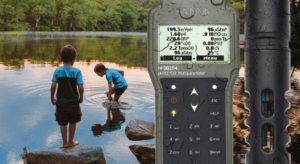
Multiparameter meters from Hanna allow operators to monitor multiple parameters—including pH, conductivity, ORP, and temperature—with a single instrument. This is especially useful for identifying chemical leaks or process water issues quickly and accurately.
- Dissolved Oxygen Monitoring
Maintaining proper DO levels is critical for the health of aquatic ecosystems near mining sites. Hanna’s DO meters provide real-time oxygen readings, helping companies respond swiftly to potential pollution events.
One Instrument. All the Key Measurements.
For added convenience and efficiency, Hanna Instruments offers advanced multiparameter meters that can measure all key water quality parameters in one device:
These rugged, waterproof meters are built for harsh field environments and include features such as:
- Bluetooth® connectivity for data logging and syncing with the Hanna Lab App
- GPS tracking, allowing users to geotag sample locations for better reporting and compliance
- Rechargeable batteries for long hours of field use
- Easy-to-use interface with digital probes for reduced calibration errors
This all-in-one capability not only saves time but also improves data consistency and decision-making in the field.
Why It Matters
By using Hanna Instruments, mining companies can:
- Monitor water quality in real-time
- Detect contamination early
- Meet environmental regulations
- Protect surrounding ecosystems and communities
- Strengthen sustainability efforts and corporate responsibility
Mining doesn’t have to come at the cost of clean water. With the right monitoring tools, companies can reduce their environmental footprint while continuing to meet production demands. Hanna Instruments provides mining operations with reliable, accurate, and portable water testing solutions to support safe and sustainable practices.
Ready to improve your water monitoring program? Explore Hanna’s full range of mining solutions today.