Starting a new project, whether you’re growing hydroponics, caring for an aquarium, brewing, or testing water quality, often comes with more steps than you expect. One tool you’ll depend on a lot is your tester, so looking after it properly will keep your readings accurate and help your meter last longer. Here are a few simple habits that can make a big difference.
1. Use a separate container for your calibration buffers
Fresh buffer = reliable calibration.
Instead of dipping your tester directly into the buffer bottle, pour a small amount into a clean glass or jar and use that for calibration. Once you’ve used the buffer, don’t pour it back into the original bottle, as this can contaminate it and affect accuracy.
You can keep the poured buffer for about a week, then wash the jar and replace it with new solution.
Hanna Australia Tip: Single-use buffer sachets are a great option if you want perfect freshness every time.
2. Always store your electrode the right way
Your tester should be stored in a proper electrode storage solution, not tap water, RO water, or purified water. Storage solution maintains the correct salt balance inside the electrode. Water, on the other hand, pulls salts out of the electrode through osmosis and shortens its lifespan.
If you’re ever caught without storage solution, pH 4 buffer (or pH 7 as a last resort) is acceptable temporarily.
Quick reminder: A quick rinse in water is perfectly fine, just make sure you never store your tester in it.
3. Keep the electrode hydrated
A hydrated electrode responds faster and stays more stable. You can keep it hydrated by:
- Storing the tester upright in a small amount of storage solution, or
- Placing a dampened sponge (cut from a clean kitchen sponge) inside the cap
Hydration keeps the junction moist, which is essential for letting the internal reference solution flow properly. When the junction dries out, readings drift and become unstable.
4. Clean your electrode regularly
A dirty sensor gives unreliable readings. Oils, residues, algae, nutrients, and other build-ups can cling to the glass or junction over time.
Use an appropriate cleaning solution to remove build-up. If you don’t have one handy, a small drop of mild detergent in warm water and a gentle brush with a soft toothbrush can help.
After cleaning, always calibrate your tester again before use.
A quick check for damage:
If your tester constantly reads around pH 7 no matter what it’s placed in, test it in something acidic like vinegar or orange juice. If it still reads above 4, the probe may be cracked or worn out.
5. Replace the electrode when needed
Like any consumable part, electrodes have a limited lifespan, usually around one to two years, depending on how often you use them and the type of solution they’re exposed to. Your meter may still switch on after that time, but the accuracy will start to decline.
If you rely on precise measurements, replacing the electrode at the right time is essential.
Choosing the right tester for your job
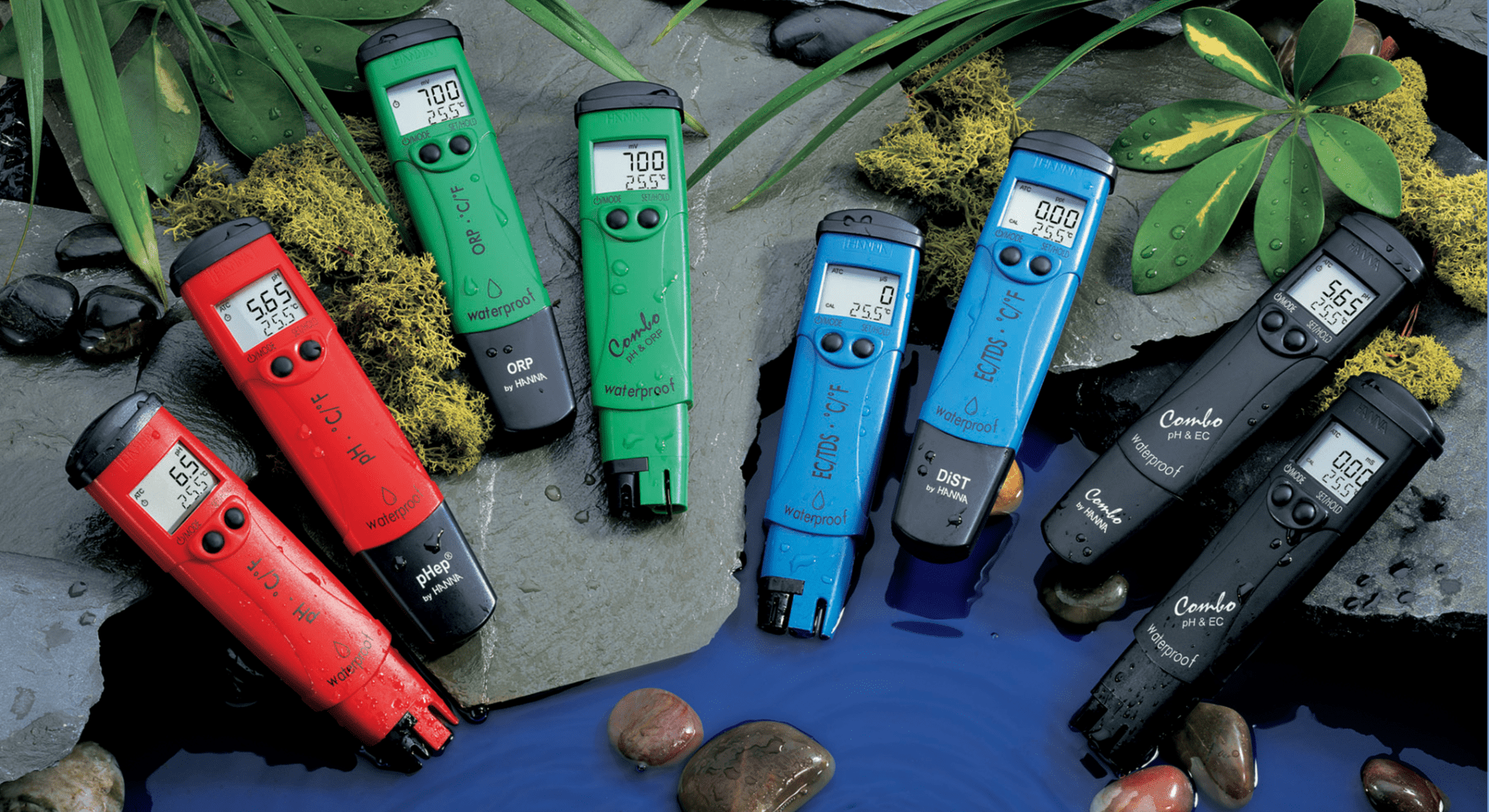
Whether you’re testing aquarium water, hydroponic nutrients, bore water, pools, spas, or general water quality, Hanna Instruments Australia has a tester suited to your application, including models that measure multiple parameters such as pH, EC, TDS, ORP, and temperature.