
Why pH and EC Testing Is Critical for Crop Health in Australian Agriculture 1. Optimising Nutrient Availability Both pH and EC are essential for understanding how nutrients behave in the soil. If the pH is too high or too low, plants can struggle to take up important nutrients, which may lead to deficiencies, slower growth, and lower yields. Regular pH testing helps growers keep conditions within the ideal range for each crop, so nutrients remain available. EC adds another layer of insight by showing how much nutrient is present in the soil solution. While pH indicates whether nutrients can be absorbed, EC reveals how much is available to plants in a form they can use. 2. Managing Irrigation Water Quality In many Australian regions, especially where irrigation water is saline or affected by drought, EC testing is particularly important. Water with high EC can lead to salt buildup in the soil, which interferes with root function and reduces the plant’s ability to take up water. Over time, this can seriously impact crop health. Regular EC monitoring helps identify problems early, allowing irrigation practices to be adjusted before yields are affected. pH testing of irrigation water is just as important. When the pH is too acidic or too alkaline, fertilisers may not dissolve properly or behave as intended. This can reduce their effectiveness and, in some cases, cause harm to crops rather than support healthy growth. 3. Supporting Precision Agriculture and Sustainability Modern farming relies heavily on data to improve efficiency and reduce unnecessary inputs. Portable pH and EC meters, such as those in Hanna Instruments’ GroLine range developed specially for growers, make it easy to carry out consistent and reliable testing in the field. With features like automatic temperature compensation and durable waterproof construction, these meters deliver accurate results even in challenging Australian conditions. By monitoring soil chemistry over time, growers can better tailor their fertiliser programs. This allows nutrients to be applied only where and when they are needed, reducing the risk of overuse that can damage soil health or nearby waterways. The result is stronger crop performance alongside more sustainable land management practices. Practical Benefits for Farmers Regular pH and EC testing delivers practical benefits on the farm. When soil conditions are kept within the right range, plants can access nutrients more easily, leading to healthier growth and improved yields. Understanding nutrient levels also allows fertilisers to be applied more precisely, helping reduce costs while limiting environmental impact. Managing pH and salt levels is especially important across Australia, where weather conditions vary widely between states. In high-rainfall regions such as coastal New South Wales, Victoria and parts of Queensland, excessive rain can leach nutrients from the soil, increasing the risk of deficiencies and crop stress. In contrast, drier areas like South Australia, Western Australia and inland regions rely heavily on irrigation, where salt accumulation can become a major challenge. By monitoring pH and EC, growers can reduce stress on crops, strengthen plant health, and lower vulnerability to pests and disease. EC readings also enable smarter irrigation decisions by indicating when and how often to water, helping prevent nutrient loss in wetter regions while minimising salt buildup in soils under low-rainfall and irrigation-dependent conditions. Choosing the Right Tools Hanna Instruments Australia, along with the global Hanna team, focuses on making testing simple and accurate for growers of all sizes. Their range of portable testers, multiparameter meters, and soil-specific probes is built for reliable use in the field, giving farmers the confidence to base decisions on real data. From fruit and vegetable production in Victoria and Queensland to broadacre grain farming in Western Australia and vineyard operations in South Australia, Australian agriculture is highly diverse. Across all these systems, regular pH and EC testing provides clear, practical insight into soil and water conditions, helping growers maintain healthier crops, optimise inputs, and improve overall productivity. Conclusion As Australian agriculture continues to evolve, pH and EC testing have become essential tools rather than optional add Ons. Understanding soil chemistry and using accurate data allows growers to manage nutrients more effectively, support stronger plant health, improve yields, and maintain long term soil sustainability. Choosing reliable testing equipment and making regular measurements part of everyday farm management is not only good science, but also a sound business decision. Related posts Understanding the Difference Between Conductivity, TDS, and Salinity Understanding the Difference Between Conductivity, TDS, and Salinity – And How Hanna Instruments Can Help When it comes to water… Read more How to Clean a pH Meter Probe How to Clean a pH Meter Probe Maintaining the accuracy and longevity of your pH meter probe is crucial for… Read more The Importance of pH Levels in Agriculture and Gardening The Importance of pH Levels in Agriculture and Gardening When it comes to growing crops, pH levels are vital. The… Read more Subscribe to our newsletter
How to Accurately Measure pH, EC, and TDS: A Complete Guide for Australian Industries Water quality is a critical factor across many Australian industries, including agriculture, hydroponics, water treatment, food processing, and environmental monitoring. Understanding key parameters such as pH, electrical conductivity (EC), and total dissolved solids (TDS) helps professionals assess acidity, dissolved ion levels, and overall solution condition. When these measurements are performed accurately, organisations can improve process control, support regulatory compliance, and maintain consistent product quality. Understanding the Basics pH is a measurement that indicates whether a solution is acidic (below 7), neutral (7) or alkaline (above 7). It plays an essential role in applications such as fermentation, disinfection, crop nutrition and industrial effluent treatment, where small variations can significantly affect outcomes. Digital pH meters offer greater accuracy and repeatability than visual testing methods such as indicator strips. Electrical conductivity (EC) reflects a solution’s ability to conduct an electrical current, which increases as dissolved ionic content rises. These ions are commonly introduced through salts, nutrients, or fertilisers, and EC is typically expressed in µS/cm or mS/cm. Total dissolved solids (TDS) provide an estimated value of dissolved material concentration in mg/L or ppm and are usually calculated from EC measurements using an appropriate conversion factor. Choosing the Right Instruments Hanna Instruments provides a broad selection of portable and benchtop meters designed to deliver accurate pH, EC, and TDS measurements across a wide range of applications. Combo pH/EC/TDS testers are particularly effective for field use in agriculture, hydroponics, pools, groundwater assessment, and general water quality monitoring, offering durable and waterproof construction for demanding environments. For example, the HI98129 waterproof combo tester measures pH, EC, and TDS (ppm) and includes automatic temperature compensation and replaceable electrodes. These features make it well-suited to on-site testing, as temperature compensation reduces measurement errors caused by fluctuations in sample temperature. Preparation and Temperature Compensation Reliable measurements depend on effective temperature compensation. pH, EC and TDS values are all temperature sensitive, which is why most modern Hanna instruments incorporate automatic temperature compensation (ATC) to correct readings in real time. This capability is especially valuable in applications where sample temperatures vary throughout the day or between locations. Before recording results, the probe and meter should be allowed to equilibrate with the sample temperature. Many Hanna instruments also feature a stability indicator that confirms when readings have settled, helping users capture accurate and repeatable data. Calibration for Precision Calibration underpins all accurate measurements. For pH testing, standard buffer solutions such as pH 4.01, 6.86 (NIST), 7.01, and 10.01 are used to align the meter with known reference values. Most Hanna instruments support automatic one or two-point calibration to simplify this process. EC and TDS calibration is performed using recognised conductivity standards, such as 1413 µS/cm, or equivalent TDS solutions. Calibration should be carried out with fresh standards and repeated regularly, particularly after probe replacement or routine maintenance. Consistent calibration helps minimise drift and ensures results remain traceable to established standards. Measurement Tips for Reliable Results To achieve consistent accuracy in both industrial and field environments, electrodes should be rinsed between samples to prevent cross-contamination. Plastic containers are recommended when measuring or calibrating EC and TDS, as they help reduce electrical interference. Ongoing probe care is equally important. Following manufacturer guidelines for cleaning and storage helps prevent membrane fouling, which can slow response times and reduce accuracy. In laboratory settings where high precision is required, multi-point calibration is recommended to ensure reliable performance across the full measurement range. Why Precision Matters Accurate pH, EC and TDS measurements are essential for reliable decision-making across Australian industries. Whether optimising fertiliser dosing in hydroponic systems, confirming wastewater discharge compliance or monitoring cooling water performance, precise data supports efficiency and reduces costly errors. By combining dependable Hanna Instruments technology with proper calibration and measurement practices, businesses can produce results they can rely on, day after day. Related posts 5 Simple Ways to Look After Your pH, EC, or ORP Tester 5 Simple Ways to Look After Your pH, EC, or ORP Tester Starting a new project, whether you’re growing hydroponics,… Read more Environmental Water Quality Testing Environmental Water Quality Testing Water is one of our planet’s most valuable resources. As populations grow, environmental water quality testing… Read more How to Clean a pH Meter Probe How to Clean a pH Meter Probe Maintaining the accuracy and longevity of your pH meter probe is crucial for… Read more Subscribe to our newsletter

How a Craft Brewery Improved Quality & Consistency with Hanna Instruments A fast-growing craft brewery wanted to strengthen its quality control process across both beer and cider production. With an expanding portfolio and increasing customer expectations, the team needed analytical instruments they could trust accurate, easy to use, and durable enough for daily use in a busy brewery environment. By incorporating Hanna Instruments into their QA/QC workflow, the brewery achieved greater consistency, improved efficiency, and greater confidence in every batch. The Challenge Ensure consistent haze levels in hazy-style beers Accurately monitor dissolved oxygen during brewing Easily test sulfur dioxide levels in cider production Replace subjective or time-consuming manual testing methods Maintain high-quality standards as production volume increases The Solution The brewery adopted a range of Hanna Instruments to support key stages of their beer and cider workflows: Haze Measurement for Hazy Beers: Using the Haze Turbidity Meter, the team created a measurable haze standard. Result: No more subjective “by eye” assessment repeatable, objective haze readings for every batch. Dissolved Oxygen Testing: The Portable Dissolved Oxygen Meter allowed the team to check DO levels anywhere in the facility.Result: Improved yeast performance and better control over shelf stability, thanks to accurate DO monitoring from pre-fermentation through packaging. Sulfur Dioxide Analysis for Cider: The SO₂ Mini Titrator made sulfur dioxide testing fast, accurate, and repeatable.Result: Consistent cider quality, easier compliance, and simplified testing without complex manual titrations. The Results With Hanna Instruments integrated into their routine testing, the brewery achieved: ✔ More consistent beer and cider from batch to batch ✔ Confidence in meeting internal quality standards ✔ Faster testing with fewer manual steps ✔ Accurate data to guide production decisions ✔ Reliable instruments that withstand daily brewery use Why They Chose Hanna Instruments Wide range of instruments suited to brewery applications User-friendly design for quick adoption by the quality team Excellent value for high-quality, repeatable data Durable, reliable equipment trusted across the beverage industry By leveraging Hanna Instruments for haze, dissolved oxygen, and sulfur dioxide testing, this craft brewery strengthened its QA/QC program and improved product consistency across its entire range. Hanna continues to support breweries worldwide with precise, reliable instruments that make quality control simple and effective. Related posts How to Clean a pH Meter Probe How to Clean a pH Meter Probe Maintaining the accuracy and longevity of your pH meter probe is crucial for… Read more Measuring pH in Acidified Foods Measuring pH in Acidified Foods Find out all you need to know about measuring pH in acidified foods. To succeed… Read more Titration Guide Book Titration Guide Book Are you ready to automate your testing processes? Automatic titrators are indispensable for meeting quality standards and… Read more Subscribe to our newsletter
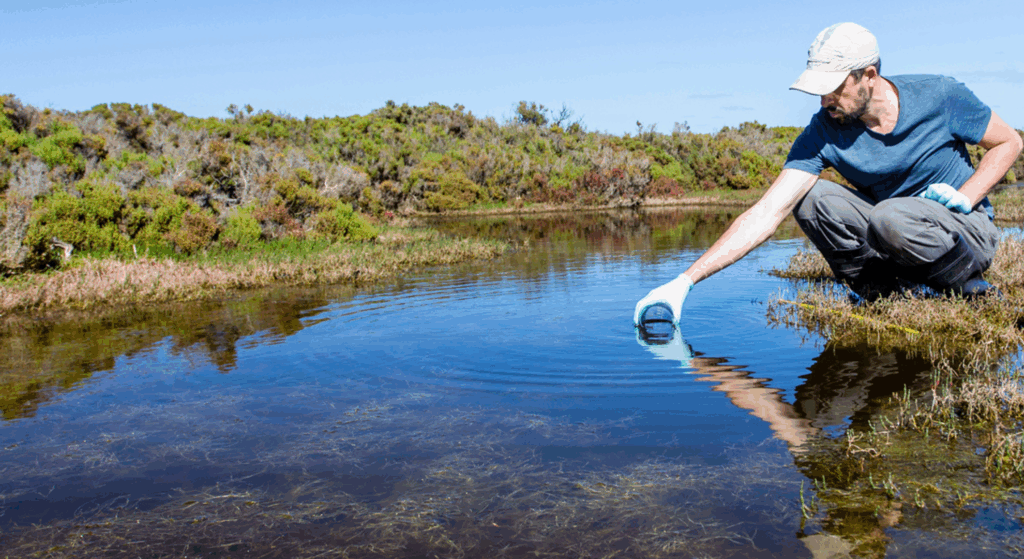
Environmental Water Quality Testing Water is one of our planet’s most valuable resources. As populations grow, environmental water quality testing is vital to detect changes and protect aquatic ecosystems. What Is Water Quality? Water quality defines how suitable water is for specific uses such as drinking, swimming, irrigation, or power generation. It reflects physical, chemical, and biological characteristics that can change by location and season. Surface and groundwater interact at the water table, meaning each can affect the other’s quality. Continuous monitoring helps detect contamination from both natural and human sources before serious impacts occur. Accurate Field Calibration Field calibration ensures reliable results. Before sampling: Calibrate instruments using fresh standards. During testing: Perform mid-day checks for long projects. After sampling: Do a post-calibration check for instrument drift. Always clean probes and use uncontaminated buffers for accuracy. Key Water Quality Parameters 1. pH Definition: Measures hydrogen ion concentration on a 0–14 scale (acidic → basic). Ideal Range: Typically 6.0–8.0 (acceptable 5.0–9.0). Why It Matters: Extreme pH levels can stress or kill aquatic life. Measurement: Use a portable pH meter and field electrode for precise readings. Calibration Procedure: Choose buffer solutions bracketing expected pH (e.g., 1.00 and 4.01). Fill beaker with ~75 mL buffer. Immerse electrode, stir gently, and wait for a stable reading (≥ 5 s). Rinse between points; use at least two calibration points. Rinse with deionized water and store per manufacturer’s guide. 2. Temperature Range: −50 °C to 150 °C (−58 °F to 302 °F) using thermistor technology. Importance: Affects oxygen solubility, photosynthesis, and biological activity. Factors: Sunlight, runoff, flow rate, and industrial discharge (thermal pollution). Calibration: Most meters are factory calibrated; verify yearly in a lab. 3. Conductivity (EC) / Total Dissolved Solids (TDS) Definition: EC: Ability of water to conduct electricity (mS/cm). TDS: Total dissolved substances in mg/L, ppm, g/L, or ppt. Importance: High EC or TDS can indicate pollution from sewage, runoff, or salts. Acceptable levels vary with water use. Calibration Procedure: Inspect the EC sensor for debris. Fill a 100 mL beaker with ~75 mL conductivity standard. Rinse the probe in a second beaker of standard. Place probe in calibration beaker, remove bubbles, and confirm stable reading (≥ 5 s). Rinse with deionized water and store properly. 4. Dissolved Oxygen (DO) Definition: Concentration of oxygen in water (mg/L = ppm). Ideal Levels: ≥ 2 mg/L for corrosion protection; < 10 mg/L for boiler systems. Why It Matters: DO levels indicate ecosystem health. The low DO often signals pollution or excess organic matter. Influences: Photosynthesis, temperature, turbulence, and runoff. Calibration (100 % DO): Place sensor in a moist, closed beaker (or wet sponge) for 10–15 min. Warm up instrument and confirm stable reading (≥ 5 s). Calibration (0 % DO): Immerse in ~75 mL 0 % DO solution. Wait for stability (≥ 5 s). Rinse completely before sampling. 5. Turbidity Definition: Optical measure of water cloudiness caused by suspended particles like algae, silt, or bacteria; expressed in NTU (nephelometric turbidity units). Why It Matters: High turbidity reduces light penetration, slows photosynthesis, and can carry toxins or heavy metals. Measurement Methods: Secchi Disk: Visual method for clear, still waters. Turbidity Meter: Uses infrared light scattering for precise NTU readings. Calibration: Use AMCO-AEPA-1 or Formazin standards. Begin with < 0.1 NTU standard. Calibrate sequentially with higher standards. Handle cuvettes carefully. Avoid scratches or smudges. Our Solution: From rugged meters to accurate sensors and standards, Hanna Instruments makes environmental water testing simple, reliable, and precise even in the toughest field conditions. The Hanna HI98194 Multiparameter Meter provides laboratory grade performance in a portable, rugged field unit. Key Features: Measures up to 12 water quality parameters (pH, ORP, EC, DO, temperature). Quick Calibration: Single-solution calibration for pH, conductivity, and DO. GLP Data: View calibration date, time, buffers/standards, and slope instantly. Supplied in a durable carrying case for professional field use. Also available: HI98195: pH / EC version HI98196: pH / DO version Related posts How Mining Affects Water—and How to Prevent It How Mining Affects Water—and How to Prevent It How Mining Affects Water—and How to Prevent It Mining plays a vital… Read more How to Use a pH Meter for Water Testing How to Use a pH Meter for Water Testing Maintaining the right pH level in water is crucial for various… Read more The Complete Guide to Measuring Turbidity in Water The Complete Guide to Measuring Turbidity in Water Turbidity is one of the most common and intuitive qualities of water.… Read more Subscribe to our newsletter

Why pH Matters in Food Safety: From Cheese to Wine, Get the Science Right In the world of food, pH, the measure of acidity or alkalinity, is not just a chemistry concept it’s a vital safeguard of safety, quality, flavour, and texture. From the silky tang of cheese to the nuanced balance of wine, understanding and monitoring pH can make all the difference. 1. The Science Behind pH in Food pH measures the hydrogen ion concentration in a substance on a scale from 0 (highly acidic) to 14 (highly alkaline), with 7 being neutral. The pH scale is logarithmic, which means that even a small change matters a shift of just one pH unit means the acidity changes by ten times. 2. pH: Your First Line of Defence Against Microbial Danger Foodborne pathogens such as Clostridium botulinum, Salmonella, and E. coli thrive or perish depending on pH. Many low acid foods must maintain pH below 4.6 to prevent dangerous microbial growth. In acidic environments, harmful bacteria struggle to survive, meaning pH control becomes a primary means of biosafety, especially in fermented, canned, or packaged products. 3. Cheese: When pH Shapes Texture, Flavour and Safety Accurate pH control is essential throughout every step of cheesemaking, from curd formation to aging. During cheesemaking, bacterial cultures transform lactose into lactic acid, lowering the pH and initiating proper coagulation and fermentation. Inadequate acidification can result in cheese that’s brittle, pasty, or prone to mould; conversely, pH that’s too high can lead to overly firm cheese and heightened risks of pathogen formation. Refer to our article on about measuring pH in Cheese making: https://hannainst.com.au/blog/measuring-ph-during-cheese-production In the ripening phase, proteolysis generates ammonia, raising the pH and possibly inviting spoilage organisms if left unchecked. That’s why continual pH monitoring is essential not just for flavour and texture, but for ensuring cheese stays edible and safe. 4. Wine, Pickles, and Beyond: pH in Acidified Foods In wine, pH influences microbial stability, fermentation behaviour, and even the longevity of the final bottle. For foods like pickles, salsas, and vinegars, pH is what keeps them safe. A lower pH stops harmful microbes from growing, which is why those jars can stay fresh on your shelf. Pickles typically sit between pH 2.1 and 4.5 to remain shelf stable. From flavour to preservation and safety, it’s all tied to acidity control 5. The Right Tools: Hanna Instruments pH Meters Accuracy is paramount in pH testing, and Hanna Instruments is recognized for delivering precise and reliable measurements. Our lineup of rugged, food focused pH meters ensures that whether you’re tracking cheese, yogurt, or wine, you get accurate, reliable readings. HI981032 Cheese pH Tester: Designed for cheese, curds, and even sushi rice! It features a food-safe PVDF body, conical glass tip, and open junction to resist clogging, delivering quick and dependable readings. HI98165 Portable Cheese pH Meter: Rugged, waterproof, and built with a specialized cheese electrode. Offers auto and manual temperature compensation and user friendly features like two button operation. HI99165 pH/Temperature Meter for Cheese: The HI99165 is a durable, waterproof, and portable Foodcare pH and temperature meter designed specifically for cheese analysis. Automatic calibration is performed at one or two points with two sets of buffers. All calibration and measurement readings are automatically compensated for temperature variations. Hanna Foodcare Series: Broad range of meters designed for measuring pH in dairy, meat, yogurt, beer, wine, and more. These IP67-rated units come with food specific electrodes and cleaning solutions a full suite for food professionals. Check out our Foodcare range: https://hannainst.com.au/brands/foodcare/ With these tools, professionals can confidently calibrate, monitor, and document pH levels, ensuring compliance and guaranteeing every batch meets the highest standards. 6. Getting pH Right: Your Safety Playbook Know your target: Different foods require different pH ranges. For example, cheese versus wine versus pickled goods. Test systematically: Use a reliable pH meter and perform routine calibrations for accurate testing. Act on readings: Be prepared to adjust fermentation, acidification, or processing steps when pH drifts. Document everything: Traceability is key for food safety compliance and quality control. The pH Advantage in Food Safety Whether you’re making creamy cheese or fine wine, pH quietly works behind the scenes to keep food safe, tasty, and long lasting. With reliable tools from Hanna Instruments, you’re not just checking pH you’re taking control to protect the quality of every bite and sip. Related posts Measuring pH in Acidified Foods Measuring pH in Acidified Foods Find out all you need to know about measuring pH in acidified foods. To succeed… Read more Refractometer: Everything you need to know Refractometer: Everything you need to know. What is a refractometer? A Refractometer is a scientific instruments that measures the refractive index of… Read more 8 Essential Tools For Home Brewing Beer 8 Essential Tools For Home Brewing Beer Home brewing has become an increasingly popular pastime within Australia, with people of… Read more Subscribe to our newsletter

Understanding the Difference Between Conductivity, TDS, and Salinity – And How Hanna Instruments Can Help When it comes to water quality testing, three commonly measured parameters are conductivity, TDS (Total Dissolved Solids), and salinity. These values are often related but have distinct meanings and applications depending on the industry. Whether you’re working in environmental monitoring, agriculture, aquaculture, or industrial processes, understanding the differences is essential for accurate measurements and decision-making. At Hanna Instruments Australia, we offer a wide range of reliable and tough testing equipment. This helps professionals easily monitor important parameters, often with just one portable meter. What Is Electrical Conductivity? Conductivity refers to a solution’s ability to conduct an electrical current. This capacity depends primarily on the presence of dissolved ions, like salts, acids, and bases, in water. The more ions present, the higher the conductivity. Measured in: micro siemens per centimetre (µS/cm) or milli siemens per centimetre (mS/cm) Applications: Boiler water control, cooling towers, wastewater, hydroponics, etc. Important Note: Conductivity is a direct measurement. It is often used as a baseline to calculate other values, like TDS and salinity. What Is TDS (Total Dissolved Solids)? TDS refers to the total concentration of dissolved substances in water, organic and inorganic. While conductivity measures electrical flow, TDS is a calculated value derived from conductivity readings using a conversion factor. Measured in: parts per million (ppm) or milligrams per litre (mg/L) Conversion Factor: Usually between 0.4 and 1.0, depending on the type of dissolved salts (e.g. NaCl vs. KCl) TDS is widely used in drinking water testing, agriculture, aquaculture, and reverse osmosis systems. It gives a general indication of water purity and potential impacts on health, taste, or crop yield. What Is Salinity? Salinity measures the concentration of salt (usually sodium chloride) in water. TDS includes all dissolved solids. Salinity focuses on salt content. This is important for marine biology, food production, and aquaculture. Measured in: parts per thousand (ppt), percent (%), or PSU (Practical Salinity Units) Applications: Fish farming, oceanography, irrigation, and environmental studies Salinity is also calculated from conductivity but uses a different algorithm that considers temperature and ionic composition. Parameter What It Measures Units Relationship to Each Other Conductivity Ability of water to conduct electricity µS/cm or mS/cm Base measurement TDS Total amount of dissolved substances ppm or mg/L Calculated from conductivity Salinity Concentration of dissolved salts ppt, %, PSU Calculated from conductivity How Hanna Instruments Australia Simplifies Measurement At Hanna Instruments Australia, we offer multiparameter meters that can measure conductivity, TDS, and salinity – all in one device. Our meters are: Rugged and waterproof, ideal for field conditions Bluetooth-enabled, allowing seamless data transfer to your smartphone or tablet Equipped with GPS, ensuring you can log measurements with location tracking User-friendly, with intuitive displays and quick calibration We also provide portable and benchtop models suitable for laboratories, farms, environmental monitoring, and industrial sites. Understanding the difference between conductivity, TDS, and salinity is essential for precise water quality analysis. While they are interconnected, each plays a unique role in determining water chemistry and suitability for specific applications. Hanna Instruments Australia offers reliable, accurate, and versatile devices. Professionals can easily use them for all their measurements. Whether you’re out in the field or working in a lab, we have the solution to help you stay ahead in water quality monitoring. Need Help Choosing the Right Meter? Contact the Hanna Instruments Australia team today, and we’ll help you find the best solution for your application. Related posts How to Calibrate a Dissolved Oxygen Meter How to Calibrate a Dissolved Oxygen Meter Proper calibration of a dissolved oxygen (DO) meter is essential for accurate measurements… Read more Does a TDS Meter Measure Salinity? Does a TDS Meter Measure Salinity? A TDS (Total Dissolved Solids) meter is a common tool used to measure the… Read more How to Test Soil Electrical Conductivity (EC) Using Hanna Soil Testers How to Test Soil Electrical Conductivity (EC) Using Hanna Soil Testers Soil electrical conductivity (EC) is a critical measurement for… Read more Subscribe to our newsletter
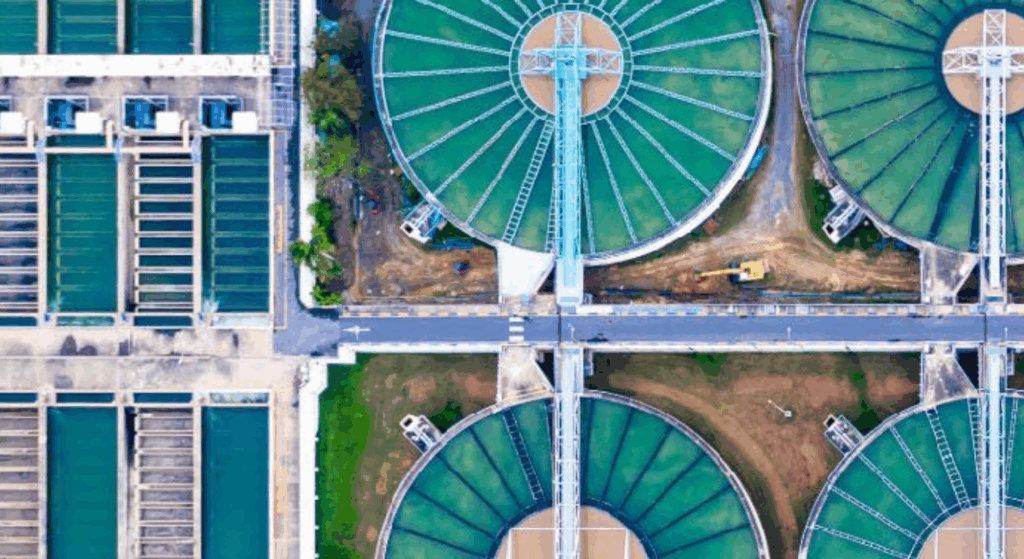
How Mining Affects Water—and How to Prevent It How Mining Affects Water—and How to Prevent It Mining plays a vital role in supplying the raw materials used across countless industries. However, it can also significantly impact the environment—especially local water sources. Contaminated water from mining activities poses risks to ecosystems, communities, and regulatory compliance. Fortunately, with the right monitoring tools, mining companies can detect contamination early, take corrective action, and move toward more sustainable operations. Hanna Instruments provides cutting-edge, field-ready water quality testing solutions that help make environmentally responsible mining a reality. How Mining Contaminates Water Mining activities can contaminate water in several ways. Understanding these sources is key to prevention. Acid Mine Drainage (AMD) When sulfide minerals—such as pyrite—are exposed to oxygen and water during mining operations, they produce sulfuric acid. This acidic runoff, called acid mine drainage, can lower the pH of nearby water bodies and leach heavy metals from rocks, turning streams orange and toxic. AMD is one of the most severe long-term environmental impacts of mining and can persist for decades if untreated. Why it matters: Acidic water harms aquatic life, corrodes infrastructure, and makes water unsafe for consumption or agricultural use. Heavy Metal Contamination Mining often disturbs earth layers that contain metals such as arsenic, lead, mercury, cadmium, and zinc. These metals can leach into water bodies, especially in low-pH conditions, and accumulate in aquatic organisms, entering the food chain and posing health risks to wildlife and humans. Why it matters: Even at low concentrations, heavy metals can be toxic, bio accumulative, and persistent in the environment. Sediment Pollution Excavation, blasting, and the movement of heavy machinery loosen large volumes of soil and rock, which can be washed into waterways during rain events. Excess sediment clouds the water, blocking sunlight and covering fish habitats. Why it matters: Sedimentation disrupts aquatic ecosystems, reduces oxygen levels, and clogs water treatment systems. Chemical Leaching from Processing Mining processes like heap leaching use chemicals (e.g., cyanide for gold, sulfuric acid for copper) to extract metals from ore. Accidental leaks or improper storage of tailings can result in these toxic chemicals seeping into groundwater or being carried into surface waters. Why it matters: These chemicals can severely poison aquatic life and contaminate drinking water sources if not tightly controlled. Oxygen Depletion (Low DO Levels) Wastewater from mining or accidental release of organic material can lead to microbial activity that consumes dissolved oxygen (DO) in water. Low DO can suffocate fish and aquatic organisms, indicating poor water quality. Why it matters: Healthy oxygen levels are essential for aquatic ecosystems and are a strong indicator of pollution. How Hanna Instruments Supports Sustainable Mining To monitor and control these risks effectively, mining companies need fast, accurate, and reliable water testing—both in the lab and in the field. Hanna Instruments offers a range of solutions tailored to the unique challenges of the mining industry. Here’s how Hanna helps across all five critical areas: pH and ORP Monitoring Hanna’s pH and ORP meters allow for precise measurement of water acidity and oxidation-reduction potential. This is crucial for detecting acid mine drainage and identifying abnormal chemical activity. Our instruments are available in portable, waterproof designs suitable for rugged mining environments. Heavy Metal Detection Using Ion-Selective Electrodes (ISE) Our ISE meters allow the detection of specific ions like lead, cadmium, and copper. Fast and easy-to-use, they help mining operations identify metal contamination before it becomes a regulatory or environmental issue. EC/TDS Measurements for Conductivity and Salinity Electrical conductivity (EC) and total dissolved solids (TDS) measurements indicate the presence of dissolved salts and contaminants in water. Hanna’s EC/TDS meters help detect potential contamination events and monitor mine water treatment performance. Chemical Spill Detection via Multiparameter Testing Multiparameter meters from Hanna allow operators to monitor multiple parameters—including pH, conductivity, ORP, and temperature—with a single instrument. This is especially useful for identifying chemical leaks or process water issues quickly and accurately. Dissolved Oxygen Monitoring Maintaining proper DO levels is critical for the health of aquatic ecosystems near mining sites. Hanna’s DO meters provide real-time oxygen readings, helping companies respond swiftly to potential pollution events. One Instrument. All the Key Measurements. For added convenience and efficiency, Hanna Instruments offers advanced multiparameter meters that can measure all key water quality parameters in one device: pH ORP EC/TDS DO Temperature These rugged, waterproof meters are built for harsh field environments and include features such as: Bluetooth® connectivity for data logging and syncing with the Hanna Lab App GPS tracking, allowing users to geotag sample locations for better reporting and compliance Rechargeable batteries for long hours of field use Easy-to-use interface with digital probes for reduced calibration errors This all-in-one capability not only saves time but also improves data consistency and decision-making in the field. Why It Matters By using Hanna Instruments, mining companies can: Monitor water quality in real-time Detect contamination early Meet environmental regulations Protect surrounding ecosystems and communities Strengthen sustainability efforts and corporate responsibility Mining doesn’t have to come at the cost of clean water. With the right monitoring tools, companies can reduce their environmental footprint while continuing to meet production demands. Hanna Instruments provides mining operations with reliable, accurate, and portable water testing solutions to support safe and sustainable practices. Ready to improve your water monitoring program? Explore Hanna’s full range of mining solutions today. Related posts Benefits of Portable Multiparameter Devices for Water Quality Testing and Their Environmental Impact Benefits of Portable Multiparameter Devices for Water Quality Testing and Their Environmental Impact Water quality is a critical aspect of… Read more The Importance of Measuring Turbidity in Water The Importance of Measuring Turbidity in Water Turbidity of water is an optical property that causes light to be scattered… Read more The Complete Guide to Measuring Turbidity in Water The Complete Guide to Measuring Turbidity in Water Turbidity is one of the most common and intuitive qualities of water.… Read more Subscribe to our newsletter
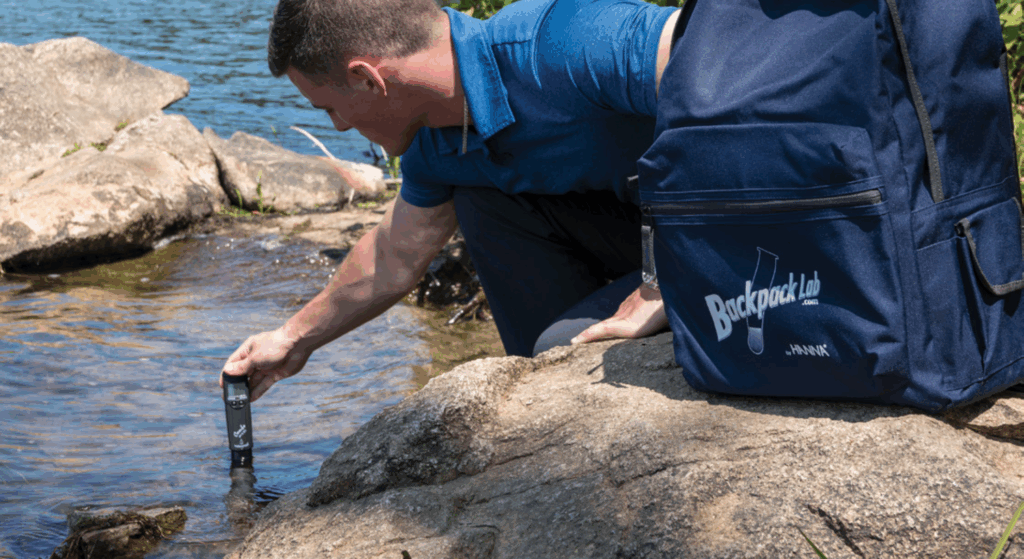
Can I Use My Soil pH Tester to Test the pH of My Water? If you already own a soil pH tester, you might wonder whether you can also use it to check the pH of your water. After all, pH is pH — right? While the basic concept of measuring pH remains the same, the instruments used for soil and water are designed quite differently. Using a soil pH tester in water may produce inaccurate results, and in some cases, it could even damage the meter or shorten its lifespan. Let’s explore why, and how you can get the most accurate and efficient results by using the right equipment, including portable multiparameter meters that measure more than just pH. Soil vs. Water pH Testing: What’s the Difference? Soil pH meters are specifically built to measure the pH in dense or semi-solid materials. Their probes are often rugged and designed to be inserted directly into moist soil or soil slurries. In contrast, water pH meters are optimized for use in clear, liquid samples and typically offer greater precision and faster response times in such conditions. Key differences include: Electrode design: Soil probes are thicker and suited to handle particles; water pH probes are slender and optimized for fluid measurements. Sample compatibility: Soil meters struggle in pure water due to lack of ions; water pH meters can’t handle thick or dry samples. Accuracy requirements: Water quality testing often requires high accuracy, particularly for drinking water, aquariums, or hydroponics. Can You Use a Soil pH Meter in Water? You can, but you shouldn’t. Most soil pH testers are not designed for use in pure water or nutrient solutions. You may get a reading, but it will likely be inaccurate or unstable. Also, immersing a soil probe in water long-term may damage the sensor, especially if the probe is not properly cleaned or maintained. If you’re serious about getting accurate data for plant health, irrigation planning, or water quality, use an instrument made for the specific medium you’re testing. The Smarter Option: Multiparameter Meters Instead of switching between several single-function meters, multiparameter meters offer a smart, cost-effective solution — especially for growers, lab technicians, and environmental testers. These meters can measure: pH Electrical Conductivity (EC) Total Dissolved Solids (TDS) Temperature In some advanced models: ORP (oxidation-reduction potential), DO (dissolved oxygen), salinity, turbidity, and more. Who Benefits from Multiparameter Meters? Home gardeners & hydroponic growersMonitor pH, EC, and nutrient levels all in one go. Farmers & agronomistsGet a complete picture of soil and irrigation quality to improve crop yield. Laboratories & environmental agenciesEnsure water quality meets regulatory standards by checking multiple metrics simultaneously. Use the Right Tool for the Job While it’s tempting to use a soil pH tester for everything, it’s not designed for accurate readings in water. For reliable results: Use a dedicated water pH meter for clear liquids. Use a soil pH tester with the correct probe for dense, semi-solid samples. Consider a multiparameter meter if you frequently test a variety of conditions — it’s a time-saving and efficient investment. With trusted instruments from Hanna Instruments, you can ensure you’re collecting accurate data, protecting your equipment, and supporting optimal plant and water health. Recommended Hanna Instruments Products For Soil Testing: HI981030 GroLine Soil pH Tester Specifically designed for soil, featuring a rugged conical probe and open junction for better performance in direct soil or slurries. For Water Testing: HI98107 pHep® pH Tester Reliable and portable, perfect for drinking water, aquariums, and general pH checks. For Both Soil & Water – Multiparameter Meters: HI9814 GroLine Waterproof pH/EC/TDS/°C Meter: A professional handheld solution ideal for hydroponics, irrigation, and nutrient management. It comes with a multiparameter probe that handles liquid samples with ease. HI98194 Professional Waterproof Multiparameter Meter: Designed for environmental monitoring, this advanced device measures up to 12 parameters including DO, turbidity, and ammonium — ideal for water treatment, aquaculture, and research. Related posts How to Test Soil Electrical Conductivity (EC) Using Hanna Soil Testers How to Test Soil Electrical Conductivity (EC) Using Hanna Soil Testers Soil electrical conductivity (EC) is a critical measurement for… Read more How to Clean a pH Meter Probe How to Clean a pH Meter Probe Maintaining the accuracy and longevity of your pH meter probe is crucial for… Read more Using the Hanna Backpack Lab Soil Quality Educational Test Kit in Teaching Environmental Science Using the Hanna Backpack Lab Soil Quality Educational Test Kit in Teaching Environmental Science The importance of soil in our… Read more Subscribe to our newsletter

Determining the Alkalinity of Cocoa Ash with the HI902 Potentiometric Titrator Chocolate is made from cocoa beans and, although it was originally a delicacy, is enjoyed in many forms all over the world. Cocoa was widely used in South America by the Mayans, and later was brought to Spain where its popularity grew. Over time, “chocolate houses” started opening throughout Europe, followed by the production of confections from cocoa beans. Today more than 3 million tons of cocoa beans are consumed annually, with 90% being produced on small farms. Consumption of cocoa beans varies from chocolate cake to hot chocolate, and includes a myriad of treats enjoyed around the globe. Cocoa trees can be found along the equator. Because of the consistently warm and humid climate, cocoa trees produce pods all year round. However, there are only two large harvests each year. During harvest, the pods are handpicked, opened, and emptied of the pulp and seeds. The seeds are raked into piles or placed into wooden boxes and left to ferment for a period of 9 days. Following the fermentation stage, the seeds are dried, packed into burlap sacks, and sent to manufacturing plants. At the manufacturing plant, the seeds are crushed and separated from the husks, after which they are referred to as nibs. Nibs are then ground into a thick paste called chocolate liquor which is used to create cocoa powder, cocoa butter, and unsweetened chocolate. A variety of analyses can be performed to determine the quality of raw cocoa powder. The ash content of cocoa powder can provide valuable insight on what region the cocoa came from, the quality of cocoa, the level of adulteration, and amount of minerals present. The ash content of cocoa powder typically ranges between 4 and 14% with higher grade cocoa having values lower than 8%. To determine ash content of cocoa powder, the cocoa powder is put through a procedure called ashing. A sample of cocoa powder is weighed and ignited to burn off all organic matter. The resulting ash is then weighed and expressed as a percent by weight. An ash alkalinity test is commonly performed after ashing to determine the level of purity. As the cocoa powder goes through the ashing process, any citrates, tartrate and malates present are converted to carbonates which will increase alkalinity. The determination of the alkalinity of ash not only indicates the carbonates present, but can also indicate potential mineral adulteration of the cocoa if the alkalinity is excessive. Ash alkalinity is expressed as percent potassium oxide (K₂O) by weight. High quality cocoa powder has an ash alkalinity of less than 1% K₂O/100 g ash and can range up to 6% K₂O/100 g ash. Application: A food education program contacted Hanna Instruments about characterizing the quality of their incoming cocoa powder. The customer wished to follow method AOAC 972.15 for the ashing process of cocoa, whereby a 2-5 gram aliquot of cocoa powder is incinerated at 600°C in order to burn off all organic matter and volatile components. The resulting ash is dried and weighed to determine the ash content. After ashing, the education program then followed AOAC 975.11 to determine the alkalinity of water soluble and insoluble ash of their cocoa powder. To test for alkalinity of water soluble ash, the ash is mixed with 10 mL deionized water and heated to a near boil. The solution is washed through a filter and titrated with 0.1M hydrochloric acid (HCl) to the methyl orange endpoint of pH 3.8. To test for alkalinity of insoluble ash, the ash remaining in the filter from the previous step is recovered and ignited for 30 minutes at 600°C. The sample is cooled and additions of 10 mL deionized water and 10 mL 0.5M HCl are made. The sample is heated until just boiling and then rinsed into a beaker with deionized water. The beaker is then placed in a boiling water bath for 15 minutes with constant swirling before titrating. The excess HCl is then back titrated with 0.1M sodium hydroxide (NaOH) to the bromocresol green endpoint of pH 4.5. Results for both soluble and insoluble ash are then reported as alkalinity in mL acid/100 g sample. The HI902 Automatic Titrator with two pumps and two burettes was a great fit for this customer as it allowed them to determine both soluble and insoluble ash alkalinity. The titrator was offered with the HI1131B pH electrode because of its glass body construction and double junction reference. As the education program regularly utilized two different titrants for ash alkalinity, the use of two dedicated burettes saved on time and chemical costs since they did not have to rinse and prime the burette with a new titrant when switching methods. The customer appreciated the ability to create two user methods to fixed endpoints for their ash alkalinities, with customizable generic calculations in order to report in their preferred results units of mL acid/100 g sample. They opted to utilize the “Linked Method” feature of the titrator in which they were able to first titrate the alkalinity of water soluble ash, change the sample beaker and then manually prompt the titrator to start the titration to determine the alkalinity of insoluble ash. The customer appreciated that by utilizing a “Linked Method” the reports for both water soluble and insoluble alkalinity values referenced the other, for easy data traceability. The ability to transfer the values via USB also allowed them to manage their data and monitor the quality of cocoa received over time. Our Solution: The HI902C is a versatile automatic titrator designed to support efficient and accurate laboratory analysis. It performs a wide range of titration methods, including acid/base, redox (ORP), complexometric, precipitation, non-aqueous, argentometric, ion selective, back titrations, and titre determinations. The system automates titrant dispensing, endpoint detection, and all necessary calculations and graphing. Beyond titration, the HI902C also functions as a fully equipped pH, mV/ORP, and ion selective electrode (ISE) meter. Related posts Measuring pH in Acidified Foods Measuring
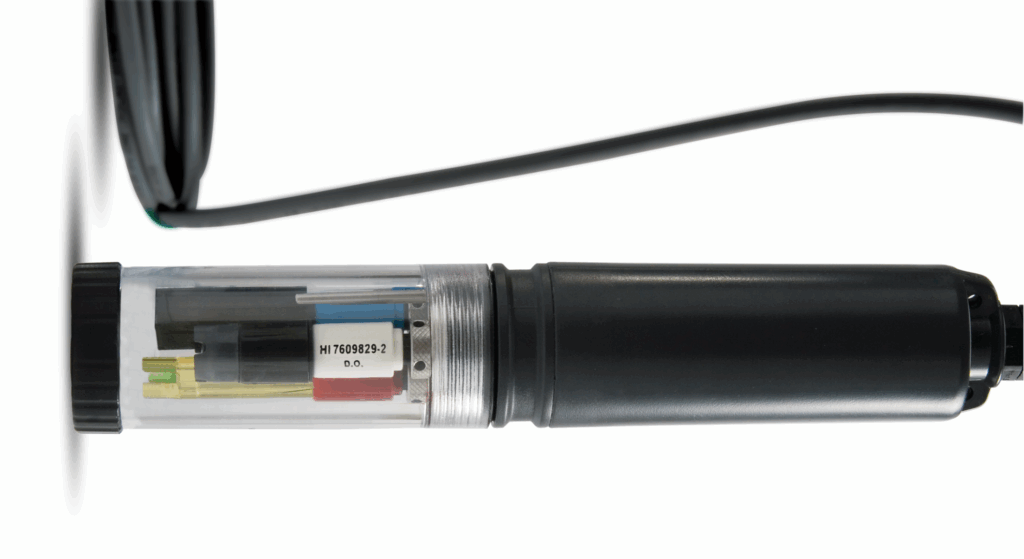
How to Calibrate a Dissolved Oxygen Meter Proper calibration of a dissolved oxygen (DO) meter is essential for accurate measurements in water quality testing. Whether you’re testing in the lab or the field, regular calibration ensures reliability, especially before critical testing or after prolonged storage. This guide walks you through the basic steps for calibrating most Hanna Instruments DO meters, such as the HI98193, using either air calibration or zero oxygen solution. What You’ll Need Your Hanna DO meter (e.g., HI98193, HI9829, HI2040, etc.) DO probe (polarographic or galvanic, depending on model) DO calibration solutions: Zero oxygen solution (HI7040L) Air calibration (using water-saturated air) Clean distilled or deionized water Lint-free cloth or tissue Step 1: Prepare the Probe Inspect the membrane: Ensure the DO probe membrane is clean, intact, and properly filled with electrolyte. Condition the probe: If the probe hasn’t been used in a while, immerse it in water for 10–15 minutes to polarize (especially for polarographic probes). Connect the probe to your meter and allow it to stabilize. Step 2: Choose Your Calibration Type Option A: Air Calibration: This method uses water-saturated air (100% DO) and is ideal for regular calibration. Moisten a sponge or tissue and place it inside the Hanna calibration chamber (or a sealed BOD bottle or calibration cap). Place the DO probe inside the chamber without touching the wet sponge. Close the chamber and allow the reading to stabilize. On your Hanna meter, select the calibration mode and follow the on-screen prompts. The meter will recognize the air-saturated environment as 100% DO (or ~8.26 mg/L at 25°C). Once complete, confirm and save the calibration. Tip: Avoid bubbling water or submerging the probe during air calibration. Option B: Zero Oxygen Calibration (Recommended for Accuracy): Use this method to establish the zero point, especially if your measurements are in very low DO ranges. Pour a small amount of HI7040L zero oxygen solution into a beaker. Rinse the probe with distilled water and blot dry. Submerge the probe in the solution, stir gently, and allow to stabilize. Follow the meter’s prompt to recognize this as 0% DO or 0.00 mg/L. Confirm and save the calibration. Step 3: Verify Calibration After calibration, measure a known DO standard or perform a reading in a well-aerated body of water to verify accuracy. Recalibrate if readings are off. Whether you’re conducting fieldwork or lab tests, calibrating your Hanna DO meter correctly ensures trustworthy results. The process is simple and takes just a few minutes, especially with Hanna’s intuitive interface and quality calibration solutions like HI7040L. For model-specific instructions, always refer to the user manual or visit Hanna Instruments’ Knowledgebase. Related posts Benefits of Portable Multiparameter Devices for Water Quality Testing and Their Environmental Impact Benefits of Portable Multiparameter Devices for Water Quality Testing and Their Environmental Impact Water quality is a critical aspect of… Read more How to Clean a pH Meter Probe How to Clean a pH Meter Probe Maintaining the accuracy and longevity of your pH meter probe is crucial for… Read more Importance of checking water parameters in wastewater Importance of checking water parameters in wastewater Water parameters in wastewater play a crucial role in ensuring environmental sustainability, community… Read more Subscribe to our newsletter