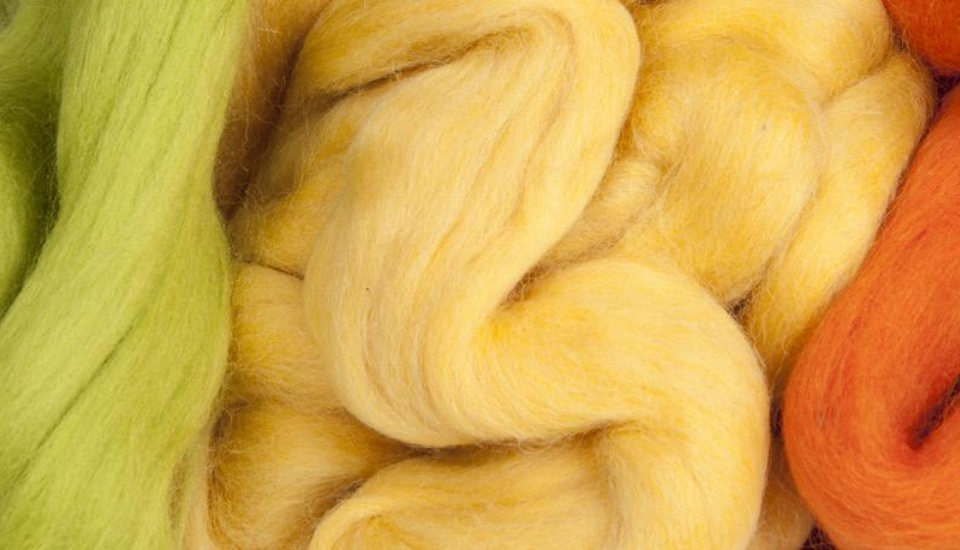
Measuring pH During Wool Scouring Spinning wool into yarn to be woven into cloth predates 10,000 BC. Exportation of wool products began as early as 55 BC in Great Britain. Today, the wool industry circumnavigates the globe; the durable and water resistant properties of wool make it a very popular textile fibre. The wool refinement process begins with sheep (or another wooly animal such as an alpaca). The sheep is sheered so the fleece is obtained in one piece. Then, the wool undergoes preliminary y sorting to remove inferior sections. After sorting by length and width of the fibres, the wool is scoured. Scouring removes grease, oils, and debris caught in the wool fibres. This step is important as improperly cleaned wool can lead to a greasy product or weakened wool fibres. While it is important to remove most of the grease from the wool, complete removal can lead to the inability of the wool to be stretched and spun. To keep the fibres hydrated, lubricants are often added to the scouring baths to prevent the wool from becoming stripped. The pH of the scouring bath is a critical parameter. If the pH of the bath is not properly balanced (depending on the type of bath), the fibres may fray and become brittle. More traditional scouring treatments include a warm alkaline water wash at pH 10-11, organic solvent washes (i.e. perchloroethane) if the wool is particularly greasy, and a final treatment with water, isopropanol and hexane after the alkaline water wash. An alternative acidic scouring treatment is gaining popularity due to the speed of the wash. The acidic wash consists of a sulphate scouring solute at 150°C. During the wash, cottonseed oil acids may be added to lubricate the wool. The acid baths are usually maintained between pH 4 and 6. Maintaining the bath in this range keeps the wool in a neutral isoelectric point. This helps sustain the integrity of the wool fibres. The main bath is usually followed by rinses in clean water to remove traces of the scouring solution. The pH is measured after scouring by performing an aqueous extract on the wool itself. Testing the pH of the wool is important as it can affect how dyes adhere to the fibers. If the pH of the wool is known, then the dye baths can be adjusted accordingly. This saves dyers time and money. Application: A textile company contacted Hanna Instruments interested in testing the pH of their scouring baths and their post-scoured wool. They wanted to make sure that their acidic scouring bath was maintaining a pH of 5 as to not deteriorate the wool fibres. Having the ability the test the pH of the treated wool before it went to their dying facility was also a priority. Due to limited space, they wanted a unit with a small laboratory footprint that could also be easily transported to their production floor. Hanna Instruments recommended the HI2002 edge® Dedicated pH/ORP Meter. The HI2002 features a large, easy to read LCD screen with an intuitive capacitive touch keypad. The customer appreciated that the HI2002 has diagnostic features including CAL Check™. The CAL Check feature alerts the user of potential issues, such as the electrode requiring cleaning or that the buffer is contaminated. Once the probe is calibrated, the probe condition is displayed on the screen. Another appealing feature of the HI2002 is the included wall mount cradle that enables the instrument to take up zero bench space in the small lab they were preparing the wool extractions. The 8-hour battery allowed the customer to easily carry the instrument onto their production floor to quickly check and grab samples from their scouring baths. The Hanna sales consultant proposed coupling the HI2002 with the HI11311 Digital Glass Body pH Electrode with a Matching Pin. The HI11311 features a high-temperature glass sensing bulb that can be used in samples up to 100°C. The customer was very pleased with the unique Sensor Check™ feature of the HI11311. This feature is available due to the matching pin integrated into the probe. This allows the HI2002 edge to identify issues such as cracks in the glass bulb or a clogged junction. The double junction on this electrode was well suited to the customer as their scour baths could contain solvents. The double junction design separates the silver electrolyte ensuring none comes in contact with the sample. This prevents silver precipitates from clogging the probe junction. The HI2002 and HI11311 provided a complete solution for the customer’s wool testing needs. Related posts Environmental Monitoring of Nitrates and Other Water Quality Parameters: pH, Environmental Monitoring of Nitrates and Other Water Quality Parameters: pH,… November 22, 2023 Salt Concentration In A Brine Solution For Curing Salmon Salt Concentration In A Brine Solution For Curing Salmon Traditionally,… November 22, 2023 Load More Subscribe to our newsletter Latest offers, tips, news, industry insights and resources delivered to your inbox. Email: Name: Subscribe You have been successfully Subscribed! Ops! Something went wrong, please try again.

Measuring Nutrients in Soil Nutrient availability is an essential soil characteristic that should be continually monitored in agricultural applications. The most essential nutrients necessary for optimum plant growth are nitrogen (N), phosphorus (P), and potassium (K). Nitrogen is necessary for the vegetative plant growth phase since it is a primary element for proteins, DNA, and hormones. The growth phase is characterised by the lengthening of the trunk and an increased 250551_6production of foliage. Phosphorus is also found in DNA and is responsible for many physiological and biochemical processes. Furthermore, phosphorus stimulates root growth, blooming, and is necessary for the formation of seeds. Specifically, plants uptake phosphorus in the form of phosphate, while potassium is taken up by the plant in its elemental form. Potassium is used in protein synthesis and improves the quality of fruits and flowers. Maintaining the proper balance of these nutrients at different stages of plant development is a key component in farming applications and can be found on a variety of packaging of fertilisers labeled as NPK. For example, a growth stage fertiliser will have a high nitrogen number, while a fruit/flowering fertiliser will have a high phosphorous content number. An agronomist working in a greenhouse approached Hanna Instruments looking for a way to measure a variety of nutrients in soil. The HI83325 nutrient analysis photometer was recommended since it is specifically designed to measure the most important parameters for plant growth. The HI83325 measures ammonia, nitrate, phosphorus, and potassium in three ranges (low, medium, and high). Besides the primary nutrients, the HI83325 also measures calcium, magnesium and sulphate. To save valuable laboratory benchtop space, the HI83325 doubles as a professional pH meter with its digital pH/temperature electrode input. Now one meter can be used for both photometric and pH measurements. The customer appreciated that only one meter, which operates on either a supplied 12 VDC adapter, or an internal rechargeable battery, was necessary to measure all the parameters, limiting the space necessary to conduct the testing. The customer also appreciated that the meter was very intuitive with simple navigation through the various parameters to be measured and specific instructions to perform each test. With proper treatment, the measurements performed by the photometer are highly accurate and allow for better crop management by establishing trends as to when and how much fertiliser needs to be used at different stages of development. These trends are easier to manage by a logging feature within the meter and downloading to a PC for record keeping by using a USB cable and HI92000 PC compatible software. Related posts Environmental Monitoring of Nitrates and Other Water Quality Parameters: pH, Environmental Monitoring of Nitrates and Other Water Quality Parameters: pH,… Salt Concentration In A Brine Solution For Curing Salmon Salt Concentration In A Brine Solution For Curing Salmon Traditionally,… Load More Subscribe to our newsletter Latest offers, tips, news, industry insights and resources delivered to your inbox. Email: Name: Subscribe You have been successfully Subscribed! Ops! Something went wrong, please try again.

Measuring Dissolved Oxygen of Hydroponic Nutrient Solutions In hydroponic growing systems, plants are grown in a soilless environment and receive all essential nutrients from a nutrient solution. These nutrient solutions are closely monitored for pH, EC/TDS, and specific nutrient concentrations; however, one parameter that is often overlooked is oxygen. Oxygen is essential for the development of a healthy root system, both for aerobic respiration of the roots and to support a community of beneficial aerobic bacteria in the root zone. Insufficient oxygen levels in the root zone will cause less developed roots, limited nutrient absorption, and an increased population of undesirable bacteria and fungi, all of which result in plant stress. There are multiple types of hydroponic systems, but some of the most common include: deep water culture, where the plant roots are submerged in a nutrient solution; aeroponics systems, where the plant roots grow in air and are misted with a nutrient solution; nutrient film technique, where the very ends of roots are in contact with a surface wetted with nutrient solution; and drip or passive irrigation systems, where the plant roots grow in an inert media such as cocoa peat, rock wool, or perlite, and nutrient solution slowly drips through. In systems where the roots are submerged, aeration of the nutrient solution is essential to ensure healthy root development. Dissolved oxygen (DO) levels of 5 mg/L and above are recommended, as levels below this are detrimental and possibly fatal to plants. However, a DO concentration of 5 mg/L is difficult to maintain in greenhouse environments. As the temperature of water increases, the solubility of oxygen decreases. The elevated temperatures in greenhouses result in low DO solubility, as well as higher root respiration and oxygen consumption. DO concentrations greater than 5 mg/L can be maintained by aeration. Aeration can be achieved by the use of air pumps and oxygen diffusers, additions of chemicals such as hydrogen peroxide or ozone, or physically by rapid mixing. Application: A nursery contacted Hanna Instruments for a way to monitor dissolved oxygen in their irrigation water. The nursery was utilising a combination of both soil-based growing methods and passive irrigation hydroponic systems, and wanted a way to measure DO in their reservoir tank as well as their hydroponic nutrient solution at various points throughout the greenhouse. The customer was supersaturating their irrigation water to 10 mg/L DO with an air pump and air stone. This was to ensure that levels would be maintained at 5 mg/L or above once the nutrients were added and the nutrient solution was trickled through the greenhouse. Hanna offered the HI2004 edge®DO Meter. The HI2004 edge®DO measures dissolved oxygen from 0.00 to 45.00 mg/L with 0.01 mg/L resolution and high accuracy of ±1.5% of reading ±1 digit. The slim, 12 mm diameter HI764080 polarographic DO probe allowed the customer to take in situ DO measurements of their nutrient solution throughout the greenhouse. The temperature component on the DO sensor allows for automatic temperature compensation to DO measurements, resulting in more accurate readings. Altitude and salinity compensation can also be enabled by simply entering both the barometric pressure and salinity into the meter menu. The customer appreciated that the preformed DO membranes made refreshing the electrolyte and membrane replacement extremely easy. The included wall mount cradle allowed the customer to keep their DO probe in their storage reservoir for real-time DO measurements. The built-in battery and tablet design of edge®DO offered the portability the customer needed for taking measurements around the greenhouse. Overall, the HI2004 edge®DO was a perfect fit for the nursery’s DO testing needs. Related posts Environmental Monitoring of Nitrates and Other Water Quality Parameters: pH, Environmental Monitoring of Nitrates and Other Water Quality Parameters: pH,… Salt Concentration In A Brine Solution For Curing Salmon Salt Concentration In A Brine Solution For Curing Salmon Traditionally,… Load More Subscribe to our newsletter Latest offers, tips, news, industry insights and resources delivered to your inbox. Email: Name: Subscribe You have been successfully Subscribed! Ops! Something went wrong, please try again.

Measuring Propylene Glycol Concentration in Brewery Chillers Temperature is the most critical parameter for consistency and quality when brewing beer. From the mash, to pitching the yeast, to fermentation and brightening, temperature has significant effects every step from grain to bottle. Propylene glycol chillers are commonly used throughout the brewing process to chill and regulate temperature. Propylene glycol (glycol for short) is a food-grade antifreeze that can be used as part of a chilling system when a food or beverage product requires rapid cooling. Glycol chillers used in breweries generally operate several degrees below the freezing point of water (0°C), and require a strict 35% glycol to 65% water ratio that must be maintained and monitored throughout the life of the chiller. A solution containing less than 35% glycol will cause the system to freeze and possibly rupture coolant lines; a larger concentration of glycol will reduce the efficiency of the chiller system. Because the system utilises glycol and operates at temperatures below 0°C, the freezing point must also be monitored to prevent damage. Brewers use glycol chillers throughout the entire brewing process. Wort, the boiling-hot product from breaking down the starchy malted grain, must be cooled prior to fermentation. A glycol chiller can be used to cool the wort. Once the wort is in the fermenter is sufficiently cooled to room temperature, the yeast is pitched and fermentation begins. Chilled glycol is used to maintain the ideal temperature for fermentation, which varies depending on the style of beer being brewed and strain of yeast. Cold crashing, a procedure performed once fermentation is complete, reduces the temperature rapidly and assists in clarifying the product by encouraging yeast and other suspended particles to settle and flocculate on the bottom. Crash cooling also results in the final holding temperature of the product, which is maintained during packaging and final product refrigeration. Application: While visiting the brewmaster at a microbrewery, a Hanna Instruments Technical Sales Consultant noticed that the customer was utilising glycol chillers. The sales consultant learned that the manufacturer of the chiller would inspect the equipment and the glycol content once a month, but the brewmaster would have preferred to check the glycol content more frequently. The sales consultant recommended the HI96832 Digital Refractometer for Propylene Glycol Analysis. The brewmaster was thrilled that an affordable instrument was available, enabling him to spot check whenever he preferred. In addition to the wide measuring range of propylene glycol from 0 to 100% (%V/V), the meter also provided measurement of the associated freezing point from 0 to -51°C . When the sales consultant performed a demonstration of the meter operation, the brewmaster was astonished by the ease of use and intuitive meter design. Furthermore, the digital display and automatic temperature compensation were a significant upgrade from the manual refractometer the brewery had used in the past. Due to the sales consultant’s attentiveness and honesty, Hanna Instruments became a reputable source for any other of the brewery ’s testing needs. Related posts Environmental Monitoring of Nitrates and Other Water Quality Parameters: pH, Environmental Monitoring of Nitrates and Other Water Quality Parameters: pH,… Salt Concentration In A Brine Solution For Curing Salmon Salt Concentration In A Brine Solution For Curing Salmon Traditionally,… Load More Subscribe to our newsletter Latest offers, tips, news, industry insights and resources delivered to your inbox. Email: Name: Subscribe You have been successfully Subscribed! Ops! Something went wrong, please try again.
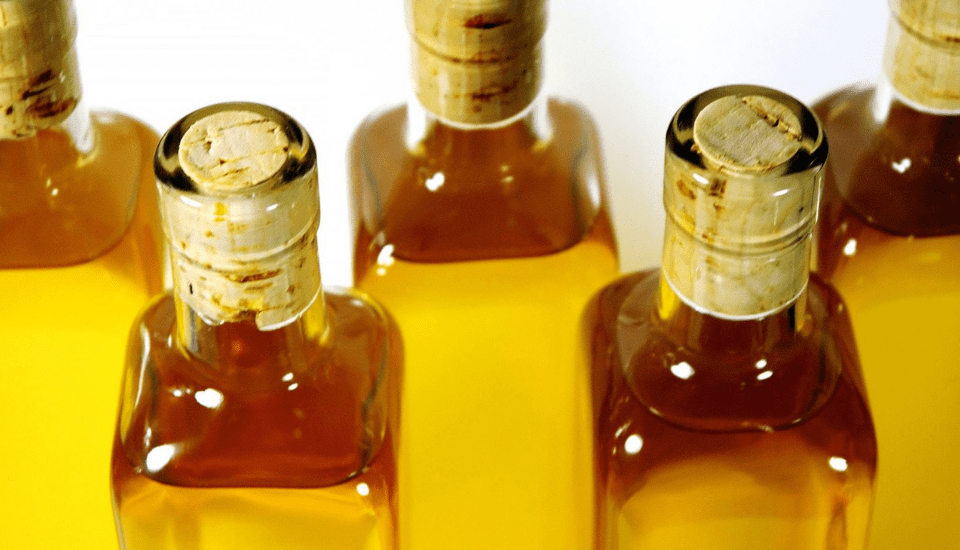
Measuring pH in Mead Mead is an ancient alcoholic beverage made from honey; this honey-wine is possibly the oldest alcoholic beverage in the world. Mead is even mentioned in mythology; is said that the Norse god Odin gained his strength by drinking mead from a goat’s utter as an infant. Further, the term ‘honeymoon’ comes from giving a newlywed couple a moon’s worth (one month supply) of mead. When grape wine was discovered, mead’s popularity declined in southern Europe. However, craft beer and wine connoisseurs alike have recently turned to mead for its unique flavour profile, making meadmaking a rapidly growing industry. Mead in its simplest form is made by fermenting honey with water. Meadmakers may also add spices, hops, or fruits added for additional flavour and complexity. Modern meaderies may choose their honey based on varietal, such as orange blossom or clover honey. Controlling honey varietals helps to predict the colour, flavour profile, and other sensory characteristics of the finished product. Meaderies refer the unfermented mixture of honey, water, and other ingredients as the must. Like wine, meaderies may choose to add sulphites to the must to kill any wild yeast and bacteria present before starting fermentation. The mead makers then add the yeast of their choice to the must and allow it to ferment. During fermentation, the yeast converts sugars from the honey into alcohol. Fermentation can take anywhere from several weeks to several months. After fermentation, the mead is racked, fined, aged, and bottled. The finished product typically has an alcohol content ranging from 10-20% ABV. The pH of mead is a critical parameter during production. A low pH (<pH 4.6) will prevent the growth of undesirable microorganisms and protect the mead from bacterial spoilage. However, if the pH is too low, then the yeast will be stressed, resulting in slow or stuck fermentation and unwanted fermentation byproducts. Honey typically has a pH of approximately 3.9, and the desired range for mead during fermentation is between pH 3.7 and 4.0. Application: A startup meadery contacted Hanna about monitoring the pH of their must during fermentation. They were looking for a meter that was accurate and easy to use without too many ancillary features. The Hanna Instruments sales representative recommended the HI2002 edge® Dedicated pH/ORP Meter. The customer appreciated the CAL Check™ feature on the edge. This feature provides users alerts to potential problems during calibration, such as contaminated buffers or a dirty electrode. After calibration, the edge displays a gauge for electrode condition and response time, giving the customer peace of mind that their electrode was reading accurately. The customer appreciated this feature as their target pH range of pH 3.7-4.0 was narrow, and were concerned about being outside of this range and the associated fermentation consequences due to inaccurate pH measurement. The Hanna sales representative suggested pairing the HI2002 with the HI10480 Wine Electrode with Clogging Prevention System (CPS) reference junction. The CPS junction design features a moveable PTFE sleeve over a ground glass junction. This design ensured that any particles in the must would not clog the reference junction, which would interfere with their readings and shorten their electrode lifespan. In addition to being clog-proof, the CPS junction design also has a high flow rate of electrolyte into the sample, providing the customer with a fast response time and stable reading. Finally, the customer was pleased that all edge electrodes are digital electrodes; these digital electrodes have an integrated temperature sensor and stores the calibration data right in the electrode. This enables the customer to see the date and time of the most recent electrode calibration, as well as what buffers, were used. The HI10480 is preprogrammed to calibrate to pH 3.0 instead of pH 4.0, allowing the customer to ensure they were bracketing the pH of their must when performing a two-point calibration to pH 3.0 and 7.0. The ease of use, CAL Check feature, and application specific electrode of the HI2002 and HI10480 provided a perfect solution to the meadery’s pH testing needs. Related posts Environmental Monitoring of Nitrates and Other Water Quality Parameters: pH, Environmental Monitoring of Nitrates and Other Water Quality Parameters: pH,… Salt Concentration In A Brine Solution For Curing Salmon Salt Concentration In A Brine Solution For Curing Salmon Traditionally,… Load More Subscribe to our newsletter Latest offers, tips, news, industry insights and resources delivered to your inbox. Email: Name: Subscribe You have been successfully Subscribed! Ops! Something went wrong, please try again.
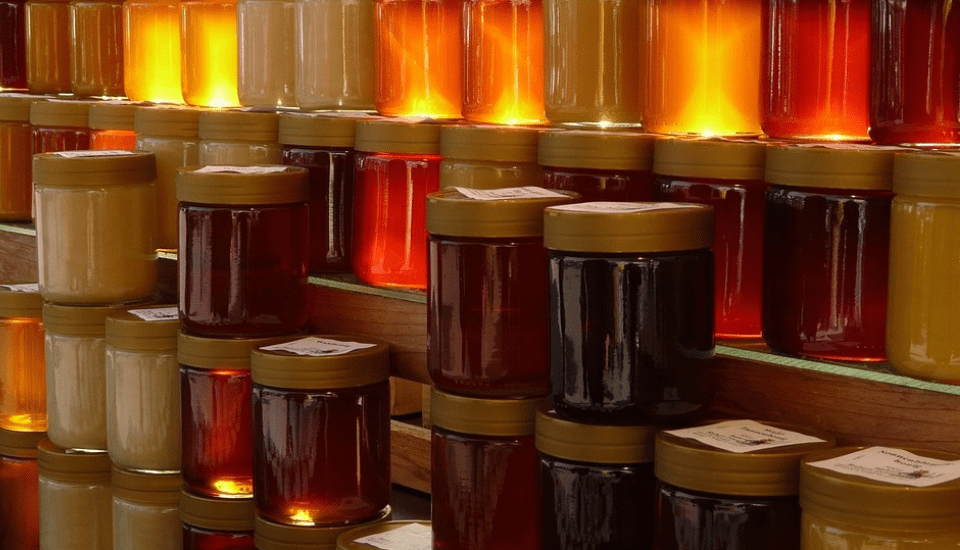
Analysing the Colour of Honey Bees use nectar to make honey; they collect nectar from a variety of plants, which means a variety of types of honey. Honey is a naturally produced functional food proven to have a positive effect on health. The advantageous properties of honey include antibacterial, anti-inflammatory, wound and sunburn healing, antioxidant, antidiabetic and antimicrobial activities. Honey is characterised by many different traits, and colour being the most important physical one. From the colour of honey, one can determine the geographical origin as well as what variety of plants the honey originates from. Many factors have been found to affect the colour of honey, including minerals, phenolic compounds, and antioxidant activity. Darker honey has been found to have a higher antioxidant capacity and is often used in natural health regiments. Studies have proven how important antioxidants are in fighting disease, so an accurate way to quantify the antioxidants in honey is important. Including honey with high level of antioxidants in a diet has shown to reduced risk of heart disease and cancer. The natural colour of honey presents many tonalities: from straw yellow to amber, from dark amber to almost black with a hint of red. In 1964, a standard system of honey grading using a Pfund Honey Colour Grader was introduced in Australia. It was modified in June 1981 to bring the Australian scale in line with the international scale: Official Australian Grade Color Range Pfund Scales (mm) Water White 8 or less Extra White Over 8 to 17 (including) White Over 17 to 34 (including) Extra Light Amber Over 34 to 50 (including) Light Amber Over 50 to 85 (including) Amber Over 85 to 114 (including) Dark Amber Over 114 Application: A research scientist was comparing the physicochemical and antioxidant properties of honey and needed an accurate way to report honey colour. For his research four honey types were compared. Manuka honey was used as the standard in the study because of the known benefits and biomedical properties, as well as it has been widely studied for its antioxidant capacity.The scientist looked at many different characteristics of the honey: pH, EC/TDS and honey colour. He was already using Hanna products for pH and EC/TDS. Honey colour is obtained by comparing to an amber coloured standard and the results are expressed in distance within the sample. Previously he was getting these results by visually comparing the honey sample to a set of standards and found this to be subjective. He contacted Hanna about the HI96785, a portable photometer designed specifically for measuring the colour of honey. The HI96785 gives results in mm, according to the Pfund scale. The HI96785 uses direct measurement to determine honey coloration ranging from 0 to 150 mm Pfund. This photometer has a tungsten lamp with a narrow band interference filter to isolate the 420 nm and 525 nm wavelength. All samples are measured in a square cuvette having a 10 mm light path and are compared to a glycerol standard. The percent light transmittance readings are directly displayed as mm Pfund. With its advanced optical system, the highly precise meter eliminates subjectivity to provide readings that are accurate and repeatable. The scientist liked that the HI96785 was easy to use and gave direct measurement, which took away the subjectivity of comparing the samples to a set of standards. Related posts Environmental Monitoring of Nitrates and Other Water Quality Parameters: pH, Environmental Monitoring of Nitrates and Other Water Quality Parameters: pH,… Salt Concentration In A Brine Solution For Curing Salmon Salt Concentration In A Brine Solution For Curing Salmon Traditionally,… Load More Subscribe to our newsletter Latest offers, tips, news, industry insights and resources delivered to your inbox. Email: Name: Subscribe You have been successfully Subscribed! Ops! Something went wrong, please try again.
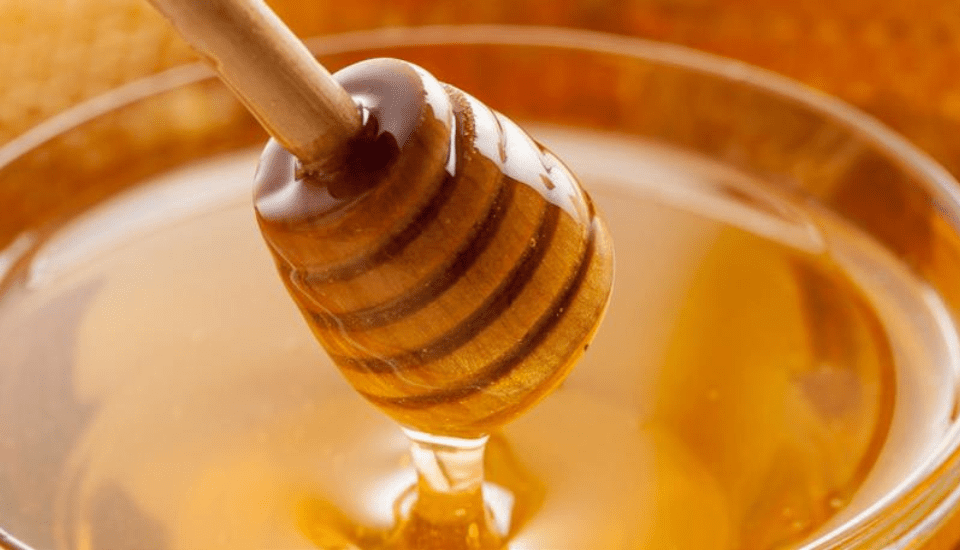
Measuring Reducing Sugars in Honey Honey remains one of the most popular sweeteners used in baking, beverages and sauces. Honey’s naturally low water content and high sugar content contribute to its indefinite shelf life. In fact, archaeological evidence has shown that honey was used as an embalming fluid in ancient Egypt. Now, it is mainly used as a food additive, which makes accurate labelling and supervision of its composition very important. Most honey is made from nectar, which flowering plants produce to aid in pollination. When bees visit flowers to collect nectar they extract it and store it in a digestive organ called a crop. When the bees carry nectar back to the hive, it is transferred into a honeycomb for storage. As water evaporates from the honeycomb, bees secrete a fluid to seal the honeycomb. This fluid hardens into beeswax which further preserves the honey. The stockpiled honey sustains the bees during colder months, when foraging is difficult. Honey’s high carbohydrate content makes it a great food source for bees. In Australia, there are hundreds of honey varietals, each with unique flavours, colours, and odours. The large variety in characteristics depends on the source of the flower nectar.Most honey of Australia originates from Eucalyptus trees.Blue gum, Karri, Leatherwood, Lucerne, Yellow box, Stringy bark, Ti-tree, White clover are just a few of the most popular Australian honey types. Alternatively, “honeydew” honey is made from a different source. Aphids, a common plant pest, rely on plant sap for nutrition. When aphids ingest plant sap, it displaces already digested sap back onto the plant. During times of food shortage, bees will collect the digested sap and process it just as they would floral honey. Climate, weather, and floral nectar availability influence the amount of honeydew present in the final product. Honeydew honey typically has less sugar and is darker in colour than floral honey. The Codex Alimentarius, commonly referred to as the “Food Code”, was developed in 1963 by the World Health Organization and the Food and Agricultural Organization of the United Nations. This code outlines quality standards and practices for the production and international trade of food, including honey. The codex standard for honey, adopted in 1987, states that floral honey contains no less than 60g of reduced sugars per 100g of honey, while honeydew honey contains no less than 45g of reduced sugars per 100g of honey. These guidelines ensure a consistent quality product and accurate labeling. Application: A honey manufacturer contacted Hanna Instruments interested in testing the reducing sugar content of their processed honey. They wanted to verify reducing sugar content in an effort to comply with Codex guidelines. The manufacturer already had a testing lab established and wanted an accurate method for determining reducing sugars. Hanna Instruments suggested the HI902 Automatic Potentiometric Titrator. The reducing sugars titration is an oxidation-reduction potential (ORP) titration, which relies on the reaction between reducing sugars in the sample with Fehling’s reagent. This reaction forms iodine, which is then titrated with sodium thiosulfate and monitored by an ORP electrode. This reaction, however, is not linear and requires both a blank titration for the reagents and a “calibration” titration with a known standard. Although the method of analysis is more complicated than a typical titration, the customer felt comfortable after receiving installation and training. The customer appreciated the ease of use with the HI902 and the ability to review up to 100 titration reports directly on the unit. By monitoring the reducing sugar content of their honey, the customer was able to create a quality, consistent product in line with Codex standards. Related posts Environmental Monitoring of Nitrates and Other Water Quality Parameters: pH, Environmental Monitoring of Nitrates and Other Water Quality Parameters: pH,… Salt Concentration In A Brine Solution For Curing Salmon Salt Concentration In A Brine Solution For Curing Salmon Traditionally,… Load More Subscribe to our newsletter Latest offers, tips, news, industry insights and resources delivered to your inbox. Email: Name: Subscribe You have been successfully Subscribed! Ops! Something went wrong, please try again.

Determining the Peroxide Value of Lipids in the Cosmetic Industry Naturally occurring fats, oils, and waxes are known as simple lipids. When simple lipids oxidise, lipid peroxides are produced, often creating a rancid smell and taste. The detection of peroxide is a common indicator of the freshness of these simple lipids. It gives a measurement of how much primary oxidation has taken place. Peroxide value is defined as the amount of oxygen per kilogram of the simple lipid. The units for peroxide value are usually expressed as meq/kg (milli equivalence per kilogram). The testing for peroxides is performed as part of quality control in cosmetics, foods, and many other applications. Application: A cosmetic company approached Hanna looking for a way to measure the peroxides in their products. An ASTM standard was used to develop a method for the HI902C potentiometric automatic titrator. A number of different solvent and sample preparations were tested to determine the most effective way of determining the peroxide value in the cosmetic sample. Ultimately, the recommended method involved dissolution of the sample in a mixture of toluene and isopropyl alcohol, followed by heating with glacial acetic acid. The sample digestate was then pretreated with potassium iodide. Sodium thiosulfate was then used as a titrant and the end point determined with the HI3131B ORP electrode. The results were accurate and repeatable, giving the customer a greater knowledge of the quality of their product. The customer appreciated that the HI902C had a USB connection for both a PC and a flash drive. Both of these features make it very easy to transfer reports from the meter to a PC for record keeping and review. The customer also liked that the HI902C could be used as a laboratory pH meter, saving additional cost and space. Related posts Environmental Monitoring of Nitrates and Other Water Quality Parameters: pH, Environmental Monitoring of Nitrates and Other Water Quality Parameters: pH,… Salt Concentration In A Brine Solution For Curing Salmon Salt Concentration In A Brine Solution For Curing Salmon Traditionally,… Load More Subscribe to our newsletter Latest offers, tips, news, industry insights and resources delivered to your inbox. Email: Name: Subscribe You have been successfully Subscribed! Ops! Something went wrong, please try again.
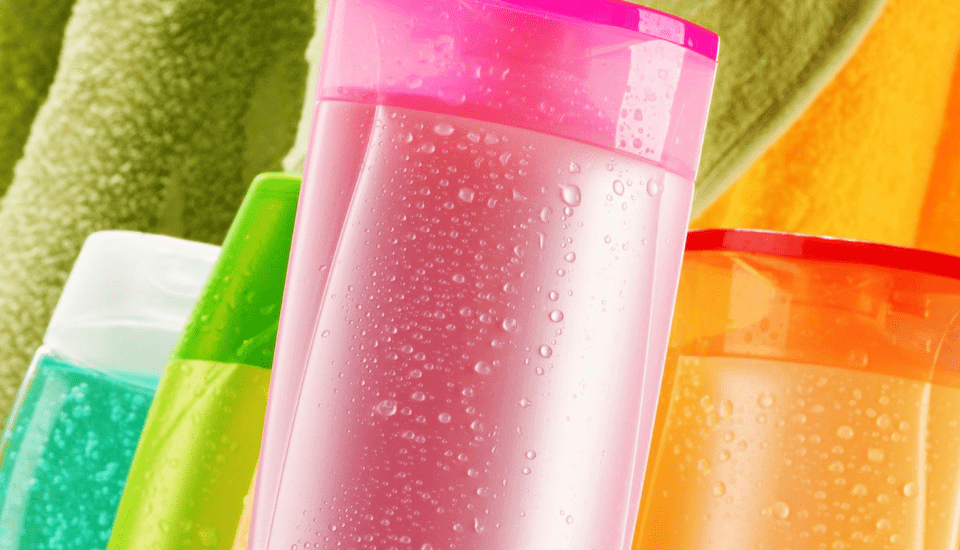
Measuring the pH of Shampoo Shampoo, or more accurately the concept of shampoo, has existed since the time of the first ancient civilisations. Among centuries of adaptation and development, the act of cleansing hair has changed quite dramatically; at first, a combination of oils, herbs, and perfumes were used as a way to simply freshen hair. Upon further understanding of hygienic health, soap was included in the combination to physically clean the hair. As the science behind hair care progressed, manufacturers synthesised chemical additives for use in shampoo as fragrance, foaming agents, and coloured dyes. Shampoo is now created and structured towards various hair types, as well as to achieve a certain end result, such as the reduction of dandruff. Both the synthetic and natural ingredients used in a shampoo dictate the pH of that particular product. The pH of a shampoo will alter the natural pH of skin and hair, which ideally falls between pH 3 and 5 and pH 4 and 5, respectively, thereby affecting their physical and chemical makeup. The human scalp contains sebaceous glands which secrete sebum, a semiliquid substance composed of glycerides, waxes, and fatty acids. Sebum coats the outer layer of hair, called the cuticle, to prevent loss of water. The presence of sebum helps to maintain soft and flexible hair, as well as prevent the growth of bacteria and the spread of fungal infections on the scalp. However, due to its chemical makeup, sebum also attracts dirt. Shampoo is composed primarily of cleaning agents, such as detergents, that work to remove dirt and excess sebum, leaving a light layer of sebum on the scalp. A detergent molecule is composed of both nonpolar and polar portions, permitting oil and grease to be stripped from the scalp and hair by the nonpolar portion and washed away with water by the polar component; upon reaction with water, detergent molecules tend to produce alkaline solutions. Hair is composed of long, parallel chains of amino acids that are connected by forces such as hydrogen and disulphide bonds and salt bridges between acid and base groups. Environments that are either too alkaline or too acidic can affect and, at some levels, break these bonds. At pH levels between pH 1 and 2, both hydrogen bonds and salt bridges are broken. At slightly alkaline levels, closer to a pH of 8.5, some of the disulphide bonds are broken; with repeated washes at this pH, disulphide bonds will continue to break and result in “split ends.” Finally, at a pH near 12, all three types of bonds are broken and the hair dissolves. Ideally, shampoo should be “pH-balanced,” meaning that it would have a similar pH to that of hair to omit any negative effects on the scalp or hair due to pH variations. Some hair care companies produce pH-balanced shampoo, either with synthetic and/or natural components. Application: A company that produced all-natural skin and hair care products was in need of a new pH electrode to spot test their pH-balanced shampoos. Hanna Instruments recommended the HI1053 pH Electrode for Fats and Creams. The HI1053 provides a fast response time in the viscous sample due to the increased flow rate from outer reference that has a triple ceramic junction. A standard single ceramic junction in the outer reference has a flow rate of 15-20 μL/hour while the triple ceramic has a flow rate of 40-50 μL/hour. The HI1053 electrodes are available with different connection types. To the customer’s appreciation, they were able to use their new Hanna HI1053B pH electrode with a competitor pH meter, as it was equipped with the universal BNC connection. Since the major components of their shampoo consisted of natural materials, including coconut-based derivatives, the Hanna Sales Representative also supplied the customer with the HI7077 Cleaning Solution for Oils and Fats for occasional cleaning procedures to maintain a good working condition. Overall, the customer was more than satisfied with the technical assistance from Hanna Instruments in finding the best pH electrode for their application. Related posts Environmental Monitoring of Nitrates and Other Water Quality Parameters: pH, Environmental Monitoring of Nitrates and Other Water Quality Parameters: pH,… Salt Concentration In A Brine Solution For Curing Salmon Salt Concentration In A Brine Solution For Curing Salmon Traditionally,… Load More Subscribe to our newsletter Latest offers, tips, news, industry insights and resources delivered to your inbox. Email: Name: Subscribe You have been successfully Subscribed! Ops! Something went wrong, please try again.

Measuring Moisture Content in Aerosols and Creams Moisture content is an important parameter in aerosols and creams. Substances such as sunscreen, muscle ache creams, and anti-fungal treatments are considered to be over-the-counter medicines; therefore the composition of these substances is closely monitored. The composition of each batch must match what is registered according to Australian regulatory guidelines for OTC medicines. Application: An aerosol and cream manufacturer was setting up a new quality assurance lab to perform quality checks on their aerosols and creams. Because of the regulations, they needed to monitor the moisture content of their products. Research and development laboratory was also interested in measuring the water content of their samples at different stages in the formulation process. Hanna Instruments offered the HI903 Karl Fischer Volumetric Titrator for determination of water content from 100 ppm – 100%. The three samples the customer had an immediate need for were sunscreen, hand sanitizer, and muscle relaxing spray. The estimated water content of the sunscreen was 75%, the hand sanitizer was 30%, and the muscle relaxing spray was 15%. A titrant strength of 5 mg/mL was recommended as a result of these estimated values. Because the various creams being tested had some nonpolar fats and oils components, a methanol solvent with a cosolvent of hexanol was recommended. The customer valued that when the titrant was standardised each day, the standardised value was automatically updated in all of the methods. The customer also appreciated that the HI904 recommends an ideal sample size range for each titration based on the expected water content of the sample and the strength of the titrant. Because they are constantly formulating new products in R&D, they have to make new methods frequently and were pleased that the titrator can accommodate up to 100 methods and that the menu structure was user-friendly and intuitive. Related posts Environmental Monitoring of Nitrates and Other Water Quality Parameters: pH, Environmental Monitoring of Nitrates and Other Water Quality Parameters: pH,… Salt Concentration In A Brine Solution For Curing Salmon Salt Concentration In A Brine Solution For Curing Salmon Traditionally,… Load More Subscribe to our newsletter Latest offers, tips, news, industry insights and resources delivered to your inbox. Email: Name: Subscribe You have been successfully Subscribed! Ops! Something went wrong, please try again.