
pH of Mascara For many years, cosmetics have been used to enhance features, achieve certain styles, and help individuals stand out. As early as 4000B.C. the Egyptians used kohl, a ground mineral, to darken their lashes, brows, and eyelids. Today, mascara is used to enhance eyelashes, and is now marketed for specific features such as water resistance, longevity, lengthening effects, and darkening effects. The main ingredients of mascara are wax, water, pigment, and binders. These ingredients make up the two phases in mascara production; an oil-soluble and water-soluble phase. The oil-soluble phase contains waxes, vitamins, and a water-resistant chemical. The mixture is heated until the wax melts and the ingredients are mixed. The water-soluble phase is prepared separately. This is made from water, an emulsifier, and pigments for colour. This is then mixed while adding a pH buffer and other chemicals. Once both phases are prepared, the two are mixed until combined. It is important for the finished mascara to be stable enough to prevent microbial growth, but not harsh on the user’s eyes. The final product is measured in a quality control lab for viscosity and pH. Eyes have a pH of about 7.0, so it is important that the final product is pH-balanced, so it will not cause eye irritation. The ideal pH of mascara is between 6.5 and 8.0. Application: A cosmetic manufacturer was interested in adding a pH meter and probe to their quality control lab for their mascara line. They were not happy with the general-purpose pH bulb they used for other products and wanted a faster, more accurate way of monitoring their mascara. Hanna recommended the HI5222 Laboratory Benchtop pH meter, with two-channel capabilities and the FC240B pH electrode with stainless steel body. The slim design of the FC240B gave the customer the option to monitor pH in a beaker as well as to spot check the mascara tubes after filling. The open junction provides a faster response and more stable readings, while also being less prone to clogging. The customer also purchased HI70681 Cleaning solution for ink stains to clean the probe each night. This alcohol-based cleaning solution works well for removing the pigments mascara leaves behind. The customer appreciated the two-channel capability of the HI5222, allowing them to connect two pH electrodes simultaneously to the meter. Having the split screen on the HI5222 allows the customer to monitor two different product lines at the same time. The CAL Check™ feature gives the customer the confidence that all calibrations and readings are accurate and reliable. The customer also appreciated the data tracking and traceability features of the HI5222. While measuring each batch, the data can be logged and transferred to the computer for future reference. Easily viewed GLP data allowed the customer to see what calibration points were used and when the probe was calibrated. By adding the HI5222 and FC240B to their QC lab, the customer has been able to analyse multiple product lines simultaneously and accurately. Hanna provided a complete solution to their needs with a meter, probe, and cleaning solution to keep the QC lab running efficiently. Related posts Subscribe to our newsletter Latest offers, tips, news, industry insights and resources delivered to your inbox. Email: Name: Subscribe You have been successfully Subscribed! Ops! Something went wrong, please try again.
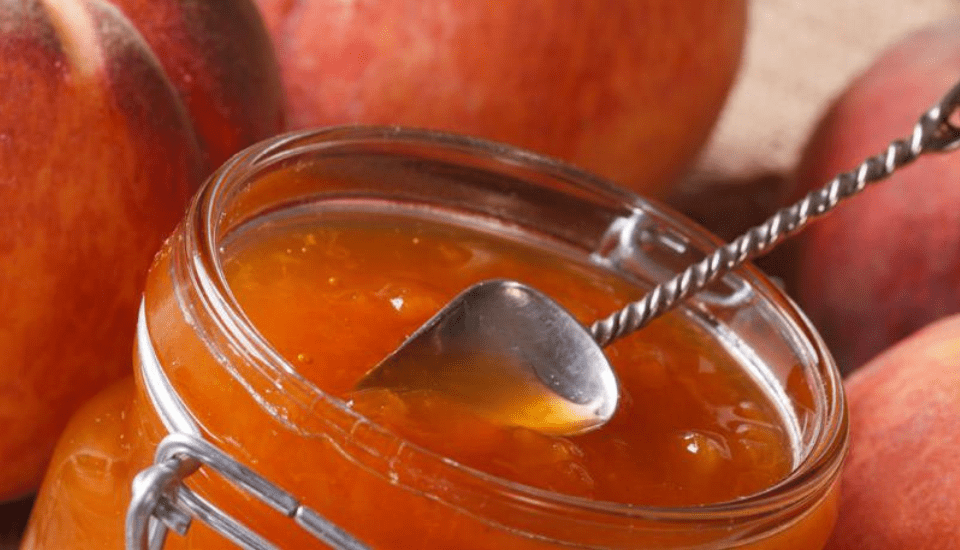
Measuring Brix (Sugar Content) of Jam Before refrigeration was widely available, canning, drying, pickling, fermentation, and salting foods were common methods of food preservation. Different food preservation methods were used based on the environment and type of food being preserved. People in warmer climates tended to use fermentation, while those in cooler climates could utilise the cold winter weather to freeze-dry different foodstuffs such as meat. Using sugar as a food preservative dates back to Ancient Greece, where it became popular to drench fruits in honey, mash them into a paste, and store it in containers. This was the precursor to the condiment known as jam today. Jams, jellies, preserves, marmalades, and fruit butters are all the result of boiling fruit, sugar, pectin, and an acid together. The base for any jam is always the fruit component. Pectin is added to the mixture as a way to bind all the components in a gel-like matrix. The acid lowers the pH of the mixture to set the pectin. If the acid does not adequately adjust the pH, the jam will crystallise instead of gelling. Last but not least, sugar is included in the mixture for several reasons. Sugar sweetens the jam, sets the pectin into a well-textured gel, prevents bacterial growth, and enhances the aesthetics of the product. Legally, a jam or fruit preserve must contain a minimum of 65% soluble solids in the final product to be considered a jam. The majority of these soluble solids present in jam are from sugar, though salts and other dissolved minerals can also contribute. Soluble solids in jam are expressed in units of percent Brix, a measurement based on grams of sucrose/100 grams of mixture. It is important for those producing jam products to hit the minimum amount of Brix in their product as the appropriate sugar content will stave of microbial growth. Sugar decreases water activity in the product by attracting and binding up water molecules. This makes the water unavailable to microbes and thus inhibits harmful organisms from growing in the food. Application: A small company that makes marmalades, jams and fruit spreads had been following a family recipe for making their products. While their product had been popular locally, they were hoping to start distributing regionally. As a result, they wished to better conform to governmental regulations concerning the labelling distinctions between their products. The customer contacted Hanna Instruments looking for a quick and simple way to test the sugar content of their fruit preserves during production as well as on the finished product. This would allow them to adjust the recipes and to classify the final products for sale. Hanna Instruments recommended the HI96801 Digital Refractometer for Brix Analysis in Foods. The small portable meter appealed to the customer, as it would be easy to carry around and not take up much room in their small production area. The customer was pleased with the easy calibration with deionized water. The meter requires a very small sample size (about two drops), and is able to display a result in 1.5 seconds. This would enable the customer to test multiple batches of the preserves in an efficient manner. The customer also appreciated the ability to easily clean the stainless steel sample well between samples. The HI96801 has a range of 0-85% Brix with an accuracy statement of ±0.2%; therefore, the expected Brix of 65-69% would fall well within the range of the meter. The customer did express concern that the readings would be inaccurate when testing the finished productions right of the production line as they could still be warm. They had heard this temperature variation could affect accuracy with manual refractometers. Hanna Instruments was able to assuage these concerns as the refractometer has automatic temperature compensation with a temperature range of 10-40°C. The HI96801 supplied the customer with a complete solution that allowed them to efficiently maintain their product quality. Related posts Environmental Monitoring of Nitrates and Other Water Quality Parameters: pH, Environmental Monitoring of Nitrates and Other Water Quality Parameters: pH,… Salt Concentration In A Brine Solution For Curing Salmon Salt Concentration In A Brine Solution For Curing Salmon Traditionally,… Load More Subscribe to our newsletter Latest offers, tips, news, industry insights and resources delivered to your inbox. Email: Name: Subscribe You have been successfully Subscribed! Ops! Something went wrong, please try again.

Acid Content of Metal Pickling Baths As far back as 1350 B.C, civilisation has valued the strength and durability of steel. Steel is an alloy, or a mixture of metal and other ingredients, made from iron and carbon. Typical steel alloys have a carbon content of around 2.1%. Steel finds use in a wide variety of different applications due to the wide range of properties steel can take on during its production. Everything from car chassis to surgical instruments can be made from steel. Steel production begins by smelting iron ore, an iron-bearing rock. Recycled scrap metal may also be added during the smelting process. The smelting process melts the iron ore and scrap together into the liquid iron base metal. After smelting, the resulting molten iron is a carbon-rich compound called pig iron. Pig iron is far too brittle for use as a material in other industries due to its high carbon content, so further refining is required. To reduce carbon content, the pig iron is poured into a ladle, a large container designed to contain molten metal. Then, high-purity oxygen is injected into the molten pig iron, which prompts a reaction with the excess carbon in the steel to form carbon dioxide. Finally, flux (usually dolomite or limestone) is added to form slag, a glass-like product that absorbs impurities in the steel. After adding flux, the slag is separated from the steel. The steel may then produce a variety of different products, or may be alloyed with materials such chromium to produce stainless steel. During steel processing, a thick layer of scale is formed on the outside surfaces due to oxidation. Scale is a flaky oxide surface composed of various iron oxides; this is problematic for facilities performing surface treatment on the base metal because any applied coating would simply fall off once the scale fakes. These coatings include plating, paint, powder coatings, and other metal finishing operations. Before these surface treatments can be performed, the scale must be removed from the steel. This is done by a process called metal pickling. Metal pickling is a treatment performed to remove rust, scale, and other contaminants from the surface of a metal. Strong acids make up the pickling bath. Hydrochloric or sulfuric acid are the most common pickling acids, although others may be used. The type of steel and type of surface treatment to be performed will dictate the exact pickling process. For example, high alloy steels like stainless steel need to be pickled in a two-stage process, often with baths containing nitric and hydrofluoric acid. In all types of pickling baths, the acid content is a critical parameter to ensure the quality of the pickle. Excess acid may lead to damage to the base metal while too little acid results in slow pickling. The ideal acid content for steel is approximately 5-15% for hydrochloric acid and 7-20% for sulfuric acid. Application: A steel mill contacted Hanna Instruments for a way to measure the acidity of their acid pickling baths. Hanna offered the HI902 Automatic Potentiometric Titrator. Since they had several pickling baths with different ingredients, it was important that they had multiple methods to accommodate each of these baths. Hanna worked with the customer to ensure that each bath number had its own method, with the primary acid expressed as the result for each bath. The customer also appreciated how the complete reports included the date and time, result, and calibration data, which helped ensure accuracy, traceability, and batch reporting. Since the customer was also manufacturing and pickling stainless steel in a nitric and hydrofluoric acid (HF) based bath, they were concerned about the longevity of a standard glass pH electrode. Hanna Instruments offered the HI1153B combination pH electrode for HF applications. This electrode is resistant to HF at less than g/L and at pH >2, which made it ideal for the titrations of their stainless steel pickling baths. Overall, the customer was pleased with the knowledge, service, and products that the Hanna team offered to them. Related posts Environmental Monitoring of Nitrates and Other Water Quality Parameters: pH, Environmental Monitoring of Nitrates and Other Water Quality Parameters: pH,… Salt Concentration In A Brine Solution For Curing Salmon Salt Concentration In A Brine Solution For Curing Salmon Traditionally,… Load More Subscribe to our newsletter Latest offers, tips, news, industry insights and resources delivered to your inbox. Email: Name: Subscribe You have been successfully Subscribed! Ops! Something went wrong, please try again.

Measuring pH During Cheese Production Cheese is a versatile food that is valued worldwide for its high nutritional value and long shelf life. Cheeses are typically made from the coagulation and fermentation of milk from livestock mammals such as goats, sheep, or cows. There exist hundreds of cheese varieties, all prepared with differing compositions and techniques. As a result of this variance and complexity in production, cheese is the most diverse form of a dairy product. Read about the importance of measuring pH in Dairy products. Throughout the cheesemaking process, pH control is critical to ensure consistent fermentation and food safety. If the pH is too low, the cheese may be prone to a brittle or pasty texture, as well as growth of mould after packaging. If the pH is too high, the cheese may become too firm, and can potentially be dangerous for consumption due to the risk of pathogen formation. The pH must be carefully monitored to detect deviations from the optimal range, which can create problems with texture, taste and public safety of cheese. Acidification of milk begins with the addition of bacterial culture and rennet. The bacteria consume lactose and create lactic acid as a byproduct of fermentation. The lactic acid produced will cause the pH of the milk to go down. Once the milk reaches a particular pH, the rennet is added. The enzymes in rennet help to speed up curdling and create a firmer substance. For cheesemakers that dilute their rennet, the pH of the dilution water is also critical; water that is near pH 7 or higher can deactivate the rennet, causing problems with coagulation. Once the curds are cut, stirred, and cooked, the liquid whey must be drained. The pH of whey at draining directly affects the composition and texture of the final cheese product. Whey that has a relatively high pH contributes to higher levels of calcium and phosphate and results in a stronger curd. Typical pH levels at draining can vary depending on the type of cheese; for example, Swiss cheese is drained between pH 6.3 and 6.5 while Cheddar cheese is drained between pH 6.0 and 6.2. During brining, the cheese soaks up salt from the brine solution and loses excess moisture. The pH of the brine solution should be close to the pH of the cheese, ensuring equilibrium of ions like calcium and hydrogen. If there is an imbalance during brining, the final product can have rind defects, discoloration, a weakened texture, and a shorter shelf life. Cheeses must fall within a narrow pH range to provide an optimal environment for microbial and enzymatic processes that occur during ripening. Bacterial cultures used in ripening are responsible for familiar characteristics such as the holes in Swiss cheese, the white mold on Brie rinds, and the aroma of Limburger cheese. A deviation from the ideal pH is not only detrimental to the ecology of the bacteria, but also to the cheese structure. Higher pH levels can result in cheeses that are more elastic while lower pH levels can cause brittleness. Cheese products can provide a number of challenges for the person that needs to measure pH. Cheese products tend to be solid to semi-solids. Both types of samples will coat the sensitive glass membrane surface and/or clog the reference junction of the standard pH electrode. This is why Hanna instruments created the FC2423 cheese specific electrode that is supplied with the HI98165 pH meter. From a conic tip shape in a durable 5 mm diameter stainless steel body for easy penetration into cheese without leaving a large hole to an open junction that resist clogging; the FC2423 is an ideal general-purpose pH electrode for cheese. The FC2423 connects to the HI98165 with a quick-connect, waterproof DIN connector, allowing for a secure, non-threaded attachment. Besides being supplied with a unique pH electrode made for cheese, the HI98165 has the Hanna’s unique CAL Check™ feature that alerts the user to potential problems during the calibration process. This is a very important for the food processor since it is likely that the probe will be coated with the solids found in the food product being measured. This coating can easily lead to errors in pH measurement. By comparing previous calibration data to the current calibration, the meter will inform the user, with display prompts, when the probe needs to be cleaned, replaced, or if the pH buffer might be contaminated. After calibration, the overall probe condition is displayed on screen as a percentage from 0 to 100% in increments of 10%. The probe condition is affected by both the offset and slope characteristics of the pH electrode, both of which can be found in the GLP data. Pressing the “AutoHold” virtual key in measurement mode, the meter will freeze and automatically log a stable reading. An “out of calibration range” warning can be enabled that will alert the user when a reading is not within the bracket of calibrated pH values. The log-on-demand mode allows the user to record and save up to 200 samples. The logged data, along with the associated GLP data, can then be recalled or transferred to a PC with Hanna’s HI920015 micro USB cable and HI92000 software for traceability in record keeping for specific product batches. GLP data includes date, time, calibration buffers, offset, and slope, and is directly accessible by pressing the dedicated GLP key. A contextual help menu based on the screen that is currently being viewed can be accessed at any time by the press of a dedicated button. The high contrast, graphic LCD screen is easy to view outdoors in bright sunlight as well as in low-lit areas with the backlight. A combination of dedicated and virtual keys allows for easy, intuitive meter operation in a choice of languages. The compact, durable carry case is thermoformed to hold all necessary components for taking a field measurement, including the meter and electrode, beakers, buffer solutions and cleaning solutions. Related posts Subscribe to our newsletter Latest offers,
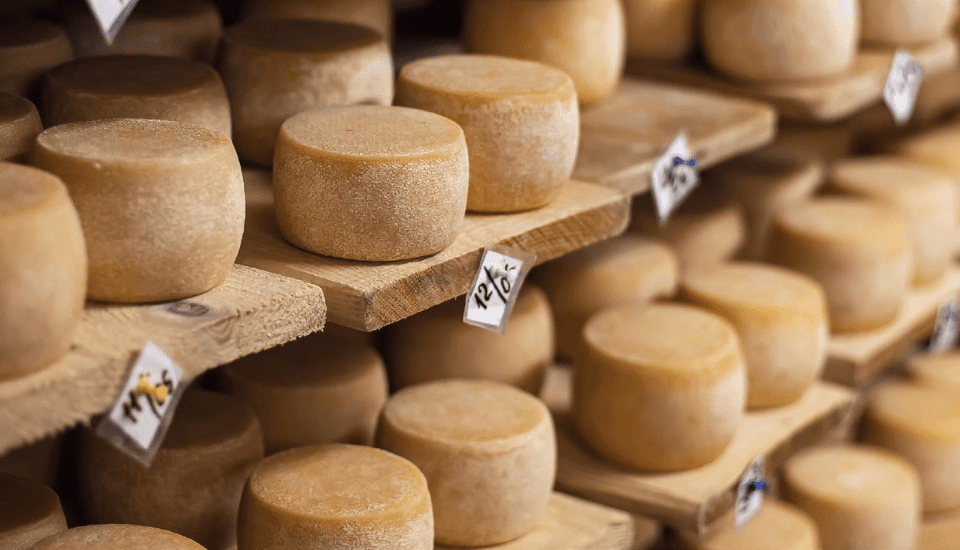
Monitoring TA Throughout Cheese Production Dairy products are an important contribution to the human diet. Dairy provides high-quality protein and is a good source of vitamins such as A, D, and B-12, and minerals such as calcium, magnesium, potassium, zinc, and phosphorus. Cheese is one of the most popular dairy products in Australia: its annual consumption is around 13.5 kg per person. Cheese consumers become more and more selective in their choices, demanding a variety of tastes and premium quality. No matter what the cheese type will be, the starting quality of the milk and cream being used has significant impacts on the quality of the final product. Fresh milk should have a pH of 6.7–6.5 and a titratable acidity of 0.10–0.25% lactic acid. Values outside of this range can indicate potential cow illness or microbial spoilage from contamination or improper storage. The presence of undesirable bacteria will convert the sugars in milk to lactic acid as spoilage occurs; however, the pH of milk is buffered due to naturally present salts such as citrates, phosphates, and lactates. This means a significant amount of acid development can occur before a change in pH is observed. Therefore, both pH and acidity must be measured to properly assess microbial spoilage. Application: Any cheese and yoghurt manufacturer needs to measure pH and acidity of their initial milk quality and final products. When purchasing raw, unpasteurized milk for cheesemaking, the initial milk quality is especially important. Many companies are performing manual titrations for acidity using phenolphthalein as a colour indicator, but they are often unhappy with the repeatability and consistency of their results. This is the reason to move from a manual titration with a colour indicator to a pH endpoint of 8.3. Because pH 8.3 is the point that phenolphthalein changes from colourless to pale pink, a titration to pH 8.3 will comply with their standard method while removing the subjectivity of a colour indicator endpoint. For measuring titratable acidity (TA) in dairy products, Hanna Instruments offers the HI902 Potentiometric Titrator. Acid/Base titration is titrated to a fixed point of 8.3 to reflect a typical phenolphthalein end point. Sodium Hydroxide (NaOH) is used as the titrant and results are expressed in g/100ml of lactic acid. Operator error along with subjectivity of colour interpretation is completely eliminated with the HI902 titrator given that pH is measured potentiometrically via an HI1131B pH electrode. Due to the HI902 methods being user defined, results units, titrant concentration and sample size can be completely customizable to the customers’ needs and requirements. The 40,000 step piston dosing system provides more repeatable and accurate results than direct manual dispensing methods. The large storage capacity of 100 reports and USB transferable or direct interface allows meeting Good Laboratory Practice (GLP) with complete traceability. The HI902 can offer more beyond acidity and pH measurement. Through its ISE and mV capabilities, the HI902 offers future expansion possibilities for multiple types of analysis and methods. These include but are not limited to: Calcium in Milk % Chloride in Milk Salt in Milk, as Sodium Chloride Related posts Environmental Monitoring of Nitrates and Other Water Quality Parameters: pH, Environmental Monitoring of Nitrates and Other Water Quality Parameters: pH,… Salt Concentration In A Brine Solution For Curing Salmon Salt Concentration In A Brine Solution For Curing Salmon Traditionally,… Load More Subscribe to our newsletter Latest offers, tips, news, industry insights and resources delivered to your inbox. Email: Name: Subscribe You have been successfully Subscribed! Ops! Something went wrong, please try again.
3 Reasons to Monitor DO in Brewing Process Dissolved oxygen is a known, but not widely monitored parameter of the brewing industry. However, as of 2016, the parameter has been gaining interest from the craft brewers of Australia. Oxygen can assist in brewing efficiency, while simultaneously expose brews to adverse effects. Here at Hanna we have seen firsthand how our customers have used oxygen monitoring to improve the brewing process. Below are 3 of the key reasons to build dissolved oxygen testing into your brewing process. 1. Barley Requires an Oxygen Rich Environment to Survive Many brewers steep grains to enhance the flavour and colour of beer. Steeping is the process of exposing grains to water and heating to agitate the growing barley. During (or prior to) this process, it is critical that the barley be exposed to an oxygen rich environment to survive. Oxygen presence helps to remove carbon dioxide and bring in fresh oxygen exposing the colour and flavour steeping aids to provide. 2. Fermentation Process Requires Substantial Levels of Oxygen Fermentation is the process by which yeast converts the glucose in the wort to ethyl alcohol and carbon dioxide gas giving beer its alcohol content and carbonation. Oxygen is necessary in this process for yeast to consume and synthesise sterols and unsaturated fatty acids which enable the yeast to convert the sugar. Because the wort has very low levels of oxygen, most breweries oxygenate their wort prior to pitching yeast during the transfer process after or during cooling. Depending upon the specific gravity of the wort, and the alcohol yield you are after, the amount of oxygen required varies. The recommended ranges are the following: Standard Gravity Beers (traditional ale/lager wort) require anywhere from 6-8 ppm of dissolved oxygen. High Gravity Beers (stout wort) require anywhere from 15 ppm or more. Not having an accurate amount of dissolved oxygen can have other adverse effects on fermentation as well. For example: too much oxygen leads to rapid fermentations which leads to excessive yeast growth. Too little oxygen can lead to a slow fermentation that may not go to completion which can lead to lower alcohol production as well as off putting flavours. 3. Post Fermentation – Oxygen Will Have Adverse Effects on Finished Product After fermentation, green beer should be nearly free from dissolved oxygen as it can lead to a higher chance of oxidation throughout the remaining brewing process which affects flavour, aroma, and the stability of beer. It is important to ensure that all of the oxygen is consumed during fermentation to prevent this. To measure DO at this stage in the brewing process requires a system which can measure in parts per billion (PPB). Related posts Subscribe to our newsletter Latest offers, tips, news, industry insights and resources delivered to your inbox. Email: Name: Subscribe You have been successfully Subscribed! Ops! Something went wrong, please try again.

Measuring pH of Mash in Brewing Process The number of homebrewers and microbreweries has grown tremendously in Australia over the past 30 years. Interest in the variety of beer types can be seen in the choices that are available to the consumer. Often times brewers start by using a malt extract to prepare wort that is boiled before starting the fermentation process with yeast. The malt extract is prepared from natural grains such as wheat, barley, and rice. More experienced or adventurous beer makers prefer to make their own malt extract. Crushed grains that have been allowed to begin to germinate and dried in a kiln are known as malt. The malt is extracted by steeping in water at 60 to 70°C in a process known mashing. This is where the alpha and beta amylase enzymes are activated, converting the malted grains into fermentable sugars. The pH of mash is a critical parameter to monitor; it must be maintained between pH 5.2 and 5.6 for optimum enzyme activity. As the malted grains are broken down, organic acids are formed which can lower the pH of the mash. This can result in incomplete conversion of starch to sugar, as amylase activity decreases at a pH less than 5.2. Therefore, pH should be measured and periodically adjusted, if necessary, throughout the mash process. Because of the high temperatures of mash, the pH observed will vary greatly with temperature; this is an important consideration if using a pH meter without temperature compensation. A hot mash will read at a higher pH than a mash cooled to room temperature due to the variation in ion activity. Meters with temperature compensation will display a reading unaffected by the temperature of the sample, providing users with an accurate pH measurement. Any brewery needs a solution to monitor pH in their incoming water, mash, wort, and finished beer. For beer analysis, Hanna Instruments recommends the HI98190 waterproof pH meter with the HI1296 titanium body pH electrode. The electrode is made with high-temperature glass with a temperature range of 0 to 80°C allowing it to be used at the elevated temperatures needed for mashing without shortening the electrode life. The electrode also features a built-in temperature probe, allowing for temperature compensation without requiring an additional probe. Any brewer will appreciate the durable titanium body and shield around the pH glass bulb of the electrode. Not only does this provide a rugged measurement solution, but the titanium body also transfers heat to the temperature sensor, enabling the user to obtain rapid results. The stability indicator let the customer know when the reading was stable, ensuring that the correct reading was always recorded. The HI1296 features a renewable cloth junction, allowing for easy clearing of debris that might clog the junction. Instructions for calibration are displayed on the main screen, which gives the customer confidence in calibrating the instrument. The HI7061L cleaning solution is recommended for periodic cleaning of the electrode glass and continued accurate measurements. Overall, the HI98190 is a perfect tool for pH monitoring needs. This meter is also available as FC2142 HALO Wireless Beer pH Meter (designed for home and craft beer makers). All readings are transmitted directly to your Apple or Android device (not included with the meter). Related posts Subscribe to our newsletter Latest offers, tips, news, industry insights and resources delivered to your inbox. Email: Name: Subscribe You have been successfully Subscribed! Ops! Something went wrong, please try again.
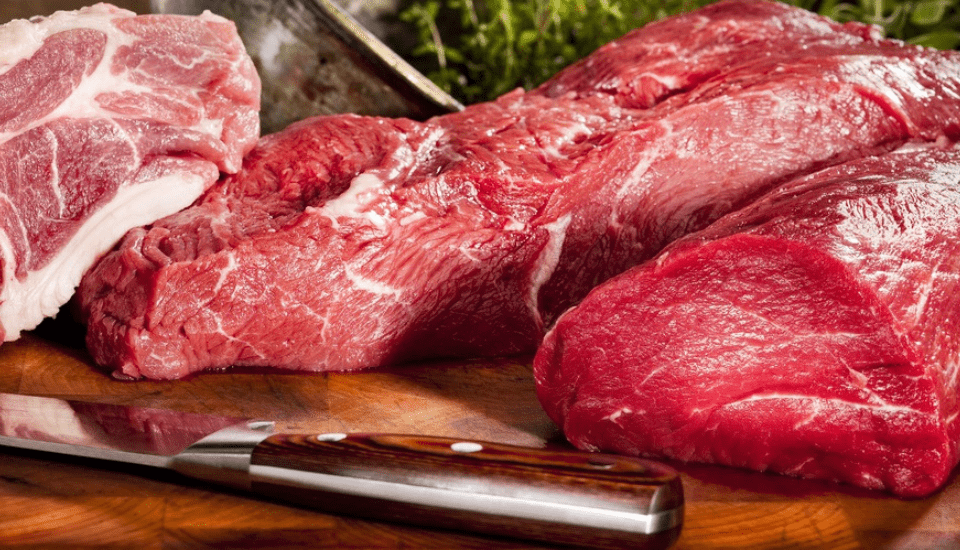
Monitoring pH during Meat Processing Approximately 30 million cattle are raised each year Australia. The conditions during meat processing directly affect the quality of the final beef product; visual and nonvisual cues for quality include juiciness, tenderness, taste, colour, and drip loss. In order to maximise meat quality, both the pH and temperature of the carcass must be monitored during processing; neglect will result in processing conditions called cold shortening and heat toughening. Cold shortening occurs when the carcass is at a pH greater than or equal to pH 6 while at temperatures equal to or less than 15°C. Heat toughening occurs when the carcass reaches a pH of 6 or lower at temperatures greater than 35°C. As part of the postmortem physiological breakdown, rigour mortis occurs once the carcass pH decreases to pH 6. Essential for the conversion of muscle to meat, rigour mortis toughens the muscle and eliminates muscle extensibility. Muscles attempt to contract, or shorten prior to rigour mortis; both cold shortening and heat toughening will result in an increase in shortening of muscles, leading to an excessive and undesirable toughening of the meat. Conditions at rigour dictate the carcass temperature should fall between 15 and 20°C to minimise shortening and optimise tenderness. Glycolysis, another physiological process that occurs postmortem, converts glycogen to lactic acid; the formation and accumulation of lactic acid postmortem reduces the pH of the carcass, permitting rigour mortis to begin. During rigour mortis it is imperative the carcass pH be below pH 6, but above pH 5.2 in order to prevent adverse effects on meat juiciness. Various steps can be taken to control both the pH and temperature to maximise quality. Stress and excessive exercise prior to slaughter, as well as electrical inputs during dressing should be minimised as much as possible to reduce muscle temperatures and prevent excessive lactic acid formation. Administering an ice rinse to the carcass will also assist in decreasing muscle temperatures. The pH value of meat influences its’ water binding capacity which directly impacts consumer qualities such as tenderness and colour. Lower pH values result in a lower water-binding capacity and lighter colours. Factors such as these can be important when considering how to efficiently produce meat products. For example, when producing dry sausages the meat must have a low water binding capacity so that it can dry evenly. Depending on the type of the final product and the steps required to get there, pH values will vary throughout the meat processing industry. It is imperative, regardless of the final product, that pH is maintained at a low value to prevent bacterial spoilage and comply with food safety regulations. By monitoring pH values throughout the meat production process, you can ensure the creation of consistent and safe meat products. Meat products can provide a number of challenges for the person that needs to measure pH. Oils and solids from the meat can coat the sensitive glass membrane surface and/or clog the reference junction. The FC2323 pH electrode that is supplied with the HI98163 professional pH meter is designed specifically for measuring pH in meat. Design considerations include a stainless steel piercing blade around conic tip shape probe for easy penetration, an open junction that resists clogging, and a Polyvinylidene Fluoride (PVDF) food grade plastic body that is resistant to most chemicals and solvents, including sodium hypochlorite. It has high abrasion resistance, mechanical strength and resistance to ultraviolet and nuclear radiation. PVDF is also resistant to fungal growth. The FC2323 is an ideal general-purpose pH electrode for meat that connects to the HI98163 meter with a quick-connect, waterproof DIN connector, allowing for a secure, non-threaded attachment. Besides being supplied with a unique pH electrode for meat, the HI98163 has the Hanna’s unique CAL Check™ feature that alerts the user to potential problems during the calibration process. This is a very important for the food processor since it is likely that the probe will be coated with the solids found in the food product being measured. This coating can easily lead to errors in pH measurement. By comparing previous calibration data to the current calibration, the meter will inform the user, with display prompts, when the probe needs to be cleaned, replaced, or if the pH buffer might be contaminated. After calibration, the overall probe condition is displayed on screen as a percentage from 0 to 100% in increments of 10%. The probe condition is affected by both the offset and slope characteristics of the pH electrode, both of which can be found in the GLP data. Pressing the “AutoHold” virtual key in measurement mode, the meter will freeze and automatically log a stable reading. An “out of calibration range” warning can be enabled that will alert the user when a reading is not within the bracket of calibrated pH values. The log-on-demand mode allows the user to record and save up to 200 samples. The logged data, along with the associated GLP data, can then be recalled or transferred to a PC with Hanna’s HI920015 micro USB cable and HI92000 software for traceability in record keeping for specific product batches. GLP data includes date, time, calibration buffers, offset, and slope, and is directly accessible by pressing the dedicated GLP key. A contextual help menu based on the screen that is currently being viewed can be accessed at any time by the press of a dedicated button. The high contrast, graphic LCD screen is easy to view outdoors in bright sunlight as well as in low-lit areas with the backlight. A combination of dedicated and virtual keys allows for easy, intuitive meter operation in a choice of languages. The compact, durable HI720190 carry case is thermoformed to hold all necessary components for taking a field measurement, including the meter and electrode, beakers, buffer solutions and cleaning solutions. Related posts Environmental Monitoring of Nitrates and Other Water Quality Parameters: pH, Environmental Monitoring of Nitrates and Other Water Quality Parameters: pH,… Salt Concentration In A Brine Solution For Curing Salmon Salt Concentration In

Measuring Acidity of Natural Water by Titration In the past 75 years, the worldwide human population has increased from approximately 2.5 billion to over 7 billion people. Population increase, the resulting increase in use of natural resources, and anthropogenic (human) produced waste have significantly impacted our natural environment. One of the most vital resources that humans require to live is water. Ironically enough, one of the most common anthropogenic effects on the environment is pollution of water. One indication of water pollution is a high acidity level. Water bodies in Australia and all around the world consist of varying levels of acidity due to natural factors such as landscape position and slope, watershed size, geology, and soil composition, as well as anthropogenic pollution. Acidity, the buffering capacity of a substance to resist a change in pH when reacted with a strong base, is determined by titration with sodium hydroxide (NaOH) and commonly expressed as mg/L or meq/L calcium carbonate (CaCO₃). Acidity of water originates from various sources: weak organic acids, such as dissolved CO₂ as carbonic acid, acetic acid, and tannic acid; strong mineral acid, such as sulfuric and hydrochloric acids; and metal salts from iron, aluminium, and manganese. High levels of strong mineral acids are indicative of anthropogenic pollution. When atmospheric pollutants from the burning of fossil fuels, such as sulphur dioxide (SO₂) and nitrogen oxides (NOx), are emitted into the atmosphere, they combine with water and ozone to become sulfuric and nitric acid. During precipitation events, these acidic counterparts are then deposited on the ground and in water bodies in the form of “acid rain.” Improperly managed mining activities also contribute to acidity levels, where acid mine drainage releases metals and acids into surrounding water systems. High levels of water acidity affect various aspects of the water body’s ecosystem, from chemical reaction rates to biological processes in almost every living organism. Fish, specifically, can only withstand a very narrow range of acidity before biological processes are affected and fatality occurs. If the water body is used for drinking water treatment, high acidity and a low pH can lead to pipe corrosion. There are many important parameters to be measured to determine water quality: while pH, temperature or dissolved oxygen can be monitored directly in the field, testing acidity is often performed in a lab by manual titration with an indicator dye. Hanna’s HI902 Potentiometric Titrator operates under the same principles as the manual titration, with options for fixed pH endpoints at 3.7 pH for strong acidity (methyl orange acidity) and 8.3 pH for total acidity (phenolphthalein acidity). The HI902 offers increased accuracy and repeatability compared to manual titration. This is due to the use of the HI1131B Combination pH Electrode to determine the precise pH endpoint, and the high accuracy titrant volume dosing burette. The HI902 also offers more in terms of capability; Alkalinity, Chloride, Flouride, Ammonia, Nitrates, Permanganate Index, Calcium & Magnesium Hardness, Total Hardness and Chemical Oxygen Demand. All your water testing requirements in the one compact unit. Related posts Environmental Monitoring of Nitrates and Other Water Quality Parameters: pH, Environmental Monitoring of Nitrates and Other Water Quality Parameters: pH,… Salt Concentration In A Brine Solution For Curing Salmon Salt Concentration In A Brine Solution For Curing Salmon Traditionally,… Load More Subscribe to our newsletter Latest offers, tips, news, industry insights and resources delivered to your inbox. Email: Name: Subscribe You have been successfully Subscribed! Ops! Something went wrong, please try again.

Sodium In Canned Soup Sodium chloride, also known as table salt, was once worth more than gold. This seems like a strange thing to hear in today’s world, where the population is told to “watch their salt intake” and to try “low sodium diets.” Processed products seem to scream from the shelves with their advertisements of new and improved low sodium formulas. A limited intake of sodium is recommended due to the correlation of high sodium diets and high blood pressure and hypertension. As a result, non-sodium salts such as potassium sorbate and calcium chloride are gaining popularity in food processing for flavouring and food preservation. Soup has been a staple food throughout human history. As canning gained popularity in the early to mid-nineteenth century, canneries for various types of foods popped up around the world. It was not long until condensed soups and bouillon cubes made their appearance on store shelves. Condensed soup is made by making soup stock, boiling it down, and then combining it with spices, vegetable paste, fresh vegetables, and flour. The flour thickens the soup as it continues to boil and reduce down. The soup maintains the consistency of a sauce and is poured into cans and sealed. Throughout the process, salt can be added in several forms in order to preserve the soup, flavour the soup, and preserve the texture from factory to table. A cannery contacted Hanna Instruments curious about what was available for monitoring sodium content in soup. The cannery was planning to expand their line of soups to include heart-healthy, low sodium options. They wanted to verify their claims of sodium reduction from their original recipe. The sales representative learned that the company had a small laboratory on premises where the testing would take place. Hanna Instruments recommended the HI5222 Research Grade pH/ISE/ORP Meter with CAL Check with the FC300B Sodium Combination Ion Selective Electrode. The customer appreciated that the FC300B Sodium ISE was specific to the sodium ion, and for their samples was not subject to interference from other salts. The HI5222 features a five-point calibration, automatic data logging, and in-depth GLP data for the user. Having two channels on the meter was appealing to customer as this enabled them to have a dedicated channel for a pH electrode and a dedicated channel for the sodium ISE. This allowed them to view both parameters on the display and seamlessly switch between pH and sodium content measurements without having to disconnect and recalibrate the probes. The customer appreciated that the meter could log up to 100,000 data points per channel and that the data could easily be transferred to a PC with a USB cable and the HI92000 software. This would enable them to test many samples throughout the day and to download and report their files in bulk. A feature that was also appreciated by the customer was the contextual help available through the dedicated “HELP” key, as different people on each shift would be taking measurements. If the user presses the “HELP” key, the meter displays a tutorial specific to the measurement stage that the user is performing. Overall, the cannery was very pleased with the comprehensive solution provided by the HI5222 and FC300B for their sodium testing needs. Related posts Environmental Monitoring of Nitrates and Other Water Quality Parameters: pH, Environmental Monitoring of Nitrates and Other Water Quality Parameters: pH,… Salt Concentration In A Brine Solution For Curing Salmon Salt Concentration In A Brine Solution For Curing Salmon Traditionally,… Load More Subscribe to our newsletter Latest offers, tips, news, industry insights and resources delivered to your inbox. Email: Name: Subscribe You have been successfully Subscribed! Ops! Something went wrong, please try again.