
pH & TA in Sour Beers Over the last few years, there has been an influx of unusual brews that have now become trendy among craft and indie brewers. Everything from fruity brews to ultra-concentrated hops in beers, to mouth-puckering sour beers. Did you ever wonder where these enticing beverages such as sour beers came from? Or about what makes a sour beer sour? Read on to find out more about sour beers! Traditional Belgian Methods Sour beers, a tradition in Belgium and parts of Germany, have been around for centuries and may be what most beer was like before microbiologists and refrigeration got involved. Over the last 150 years, brewers have worked to isolate and maintain pure yeast strains [Saccharomyces cerevisiae and Saccharomyces uvarum] that ferment in predictable ways, with a specific flavour and aroma profile. Controlled, pure-strain fermentations avoid the bacteria and wild yeast that sour beer brewers encourage. Lambic, Flanders Red, oud Bruin, Gose, and Berliner Weisse are all styles that depended on wild yeast and bacteria that would normally be considered beer spoilers. The advent of reliable refrigeration meant that fermentations could stay in the temperature range of selected yeast strains and avoid spoiler growth. Sour beer brewers generally ferment without refrigeration, needing ambient conditions to cool the wort from the mash. After boiling in the kettle, the wort is transferred to open fermenters, where microflora in the air ferment the cooling wort, producing acidic, sour beer. Wild yeast and various bacteria will consume maltose, dextrins, and other sugars in the wort, giving off sour, estery, earthy, and buttery flavors. The main contributors are Brettanomyces, a wild yeast strain given to barnyard flavors, Lactobacillus, a bacterium that produces lactic acid, and Pediococcus, a bacterium that produces sour as well as buttery flavors. Enterobacter and Acetobacteralso contribute to the fermentation but are usually less noticeable than the aforementioned microorganisms. The full list of the components of spontaneous fermentation is much longer and depends upon the local microflora.1 Belgian brewers still employ a number of techniques to achieve the desired sour effect. Many lambic breweries create a cloudy wort deemed suitable for the long fermentation that is part of barrel aging. Called the turbid mash method, the mash temperature is increased through protein and starch conversion stages with hot water. During the mash, a portion of under dough, or wort with malt flour, is pulled from the bottom of the mash tun, heated to 85⁰ C, then returned to the mash. Although the process is counterintuitive, meaning that the goal of regular brewing is to convert the mash completely, it is believed that the starch and unconverted protein from the turbid mash is utilized by the mix of bacteria and wild yeast later during fermentation.2 Wort is then run off to the kettle, boiled, and sent to a coolship. The coolship is an open vessel that looks like a large, shallow pan. Wort cools to ambient temperature and the microflora present in the brewery environment begin spontaneous fermentation. After an appropriate interval, the inoculated wort will be transferred to wooden barrels for 12-24 months.3 Sometimes fruit is added to the barrels to balance the sour character. The wooden barrels that hold the lambic or other sour beer will be blended for a final bottling or racking into kegs. It is the skill of the brewer that will determine the right blend of old and young aging beer. Brewer Methods Breweries making sours use a number of methods that will yield a finished beer that is ready in months rather than the years it takes for many Belgian barrel-aged sours. Some brewers allow the mash to sour before running the wort off to the kettle. This process can include inoculating the mash, primarily with Lactobacillus, letting the bacteria get a head start. Other brewers use the flora on the grain to achieve acidity. Similarly, the wort can be allowed to sour in the kettle at 32-44⁰ C with an inoculation before being boiled and transferred to a fermenter. These two methods usually demand as much as 12 hours for the mash or wort to sour sufficiently. Wort pH will drop from 5.2-5.6 to as low as 3.2-3.6 at the end of this phase, an indication of the amount of lactic acid that has been produced. A variation of this method involves a normal mash, kettle boil and knockout to a fermenter. Regular brewer’s yeast is pitched into the batch, the beer is allowed to end ferment, then bacteria or wild yeast is added. Yeast suppliers make various combinations of Lactobacillus, Brettanomyces and Pediococcus available for this method. Sour beer made this way can be held in a closed fermenter until deemed ready, or transferred to barrels for further maturation. The time involved with souring varies, but most studies on the subject indicate many months are needed for complete fermentation as shown in the following graph.4 Critical Measurements pH During the Souring Process A normal part of brewing should include checking the pH of the water, mash, wort, and beer. Acidifying the water and mash during the brewing process promotes enzymatic activity for starch and protein conversion. Making a sour beer requires further attention to specific phases of the process. pH readings after the inoculation phase of souring will show how effective the effort has been. Brewers souring in the kettle will hold the wort at Lactobacillus growth temperature [26-44⁰C] until the target pH is reached [3.2-3.6]. Acidifying the wort before inoculation of bacteria [4.0-4.5] may help inhibit the growth of undesirable bacteria and yeast.5 Overall, the brewer wants to know that a lower-than-normal pH has been achieved, ensuring a sour product, targeting values as low as 3.1. Total Acidity Readings by Titration A more precise method of determining the amount of acid produced during the souring process is titratable acidity. Titration is a common laboratory method of quantitative chemical analysis that is used to determine the concentration of an identified analyte. In the case of beer, total acidity is normally ascribed to lactic acid, the major byproduct of Lactobacillus fermentation. While pH is an important indicator, it
Measuring Chlorine & Turbidity in Reticulation Systems or for Mains Breaks Twenty years ago in July-September 1998, Sydney experienced a Water Quality Crisis involving the suspected contamination by the pathogens, cryptosporidium and giardia in the water supply system. Following the crisis, many stakeholders came together to develop a comprehensive response to minimise the chance of such an event happening again. Some of the recommendations were the adoption of a Hazard At Critical Control Points (HACCP) concept for Water Quality, which was already operating successfully in the Pharmaceutical Industry. HACCP is now firmly established in the water industry and is driven by many passionate leaders to ensure customers’ safety remains paramount. No one wants to see another repeat of 1998. The basic concept of the HACCP is that Safety and Quality are likely to be far more effective when a Proactive Risk Management approach is taken rather than relying only on end-point testing when it may be too late to take impactful corrective action. Risk to the Reticulation System One area of the water cycle that benefits from this approach is the reticulation system where there is the possibility of contamination of supply, either when a new mains line is being commissioned or in the event of a mains break. In such situations even though the system will have been disinfected prior, the available chlorine residual may be insufficient to manage significant microbiological contamination and pose a risk to public health. To manage this risk adequate chlorine residuals must be maintained across the entire system. To accomplish this, on-site accurate chlorine residual measurement is vital. Turbidity and Pathogens Turbidity is also very important in reticulation system monitoring. Turbidity can have both water safety and aesthetic implications for drinking water supplies. Turbidity itself does not always represent a direct risk to public health, however, it can indicate the presence of pathogenic microorganisms, and be an effective indicator of hazardous events throughout the water supply system. Turbidity measurement can provide a quick check of microbial ingress which could be later confirmed by a sample taken to a Laboratory for pathogen analysis. A Novel Instrument for Reticulation Monitoring Hanna Instruments HI93414 combines Turbidity and Chlorine Residual measurements in one meter. The optical system follows the US EPA-approved method, measuring Chlorine and Nephelometric Turbidity in the range required for potable water quality compliance. Robust enough for field measurements this meter enables operators to meet the demands of a mains break or new main installation. Reagents and Standard Solutions are non-toxic, important in field testing. The HI93414 has data logging and GLP information which can be uploaded to a PC for traceability. The real benefit to the operator is that instead of carrying around two meters, all can be accomplished in one compact meter. When operators are investigating mains breaks, they will need to measure both of these parameters to determine the source of the water, and several Australian Water boards have purchased this meter as an all-in-one solution for their maintenance vehicles. Related posts Using the Backpack Lab™ Water Quality Test Kit in Education Using the Backpack Lab™ Water Quality Test Kit in Education Why is it important to monitor the quality of freshwater… Read more The Complete Guide to Measuring Turbidity in Water The Complete Guide to Measuring Turbidity in Water Turbidity is one of the most common and intuitive qualities of water.… Read more Measuring Acidity of Natural Water by Titration Measuring Acidity of Natural Water by Titration In the past 75 years, the worldwide human population has increased from approximately… Read more Subscribe to our newsletter
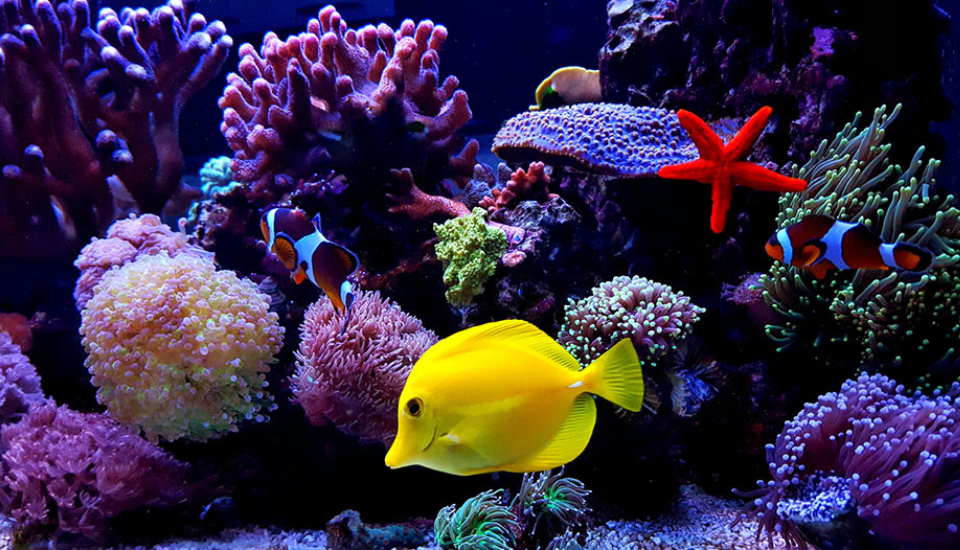
Phosphorus in Saltwater Reef Aquariums Phosphorus is an essential element for all life forms. While phosphorus is vital for growth in plants and animals, it can be problematic for aquaria inhabitants, particularly coral. In water, phosphorus exists almost solely in the form of phosphate, or PO43-. There are several forms of phosphate, but the two forms most important for aquaria are organophosphate and orthophosphate. Organophosphate refers to phosphate that is organically bound to plant or animal tissue. This type of phosphate is formed primarily by biological processes, which are continually occurring in aquaria systems. Orthophosphate refers to phosphate that is inorganic, or reactive. This type of phosphate is soluble and readily available for absorption; it is the only form of phosphate that can be directly determined. The main source of phosphorus in reef aquaria is through food that is introduced on a daily basis. Phosphorus is a necessary part of any substantial fish food, so in order to prevent overfeeding and therefore, an over abundance of nutrients, much care is taken by aquarists. There is also continuous, production of phosphorus within the tank itself, through decaying plant material, the breakdown of uneaten fish food, and excretion from fish and other organisms. Tap water or reverse osmosis water is used to replace evaporated water and control the salt concentration in tanks, but this replacement water can also be a source of phosphorus in aquaria. Both forms of water contain low to trace amounts of phosphorus and will have negative effects if the accumulating levels are not controlled. The ideal range of phosphorus in saltwater reef aquaria is extremely low, at 0 to 30 parts per billion (ppb). If phosphorus is present in concentrations greater than 30 ppb, the precipitation of calcium carbonate may be inhibited for certain species of coral. This has a direct impact on the coral, as calcification allows for their growth, survival, and larval development. Another consequence of high phosphorus concentrations is the overabundance of algae. Phosphorus is a limiting nutrient in saltwater systems and an excess can result in eutrophication, which promotes excess growth of algae and saltwater plants. As plants and algae grow and consequently die and decay, this decomposition consumes available oxygen and can lead to hypoxic (low oxygen) conditions. Without a sufficient amount of dissolved oxygen available in the tank, living organisms cannot thrive. The concentration of phosphorus in saltwater reef aquaria is one of the most important concerns for reef-keeping hobbyists. A saltwater reef aquarium supplier contacted Hanna Instruments with an interest in measuring the phosphorus levels in their tanks. With a large number of tanks to maintain each day, the supplier wanted a portable, convenient instrument to ensure the phosphorus levels were within their acceptable range of 0 to 30 ppb. The Marine Phosphorus Ultra Low Range Checker® HC – HI736 was recommended due to its ease of use and accurate results. The HI736 has a range of 0 to 200 ppb, which encompassed their phosphorus range. The Checker also features a resolution of 1 ppb and an accuracy of ±5 ppb, which was a large improvement in resolution and accuracy from the chemical test strips they were previously using and gave the customer confidence in monitoring their aquaria tanks. The supplier was able to use the Ultra-Low Range Phosphorus Checker to measure each tank in succession, and they appreciated the ability to do on-the-spot analysis with a single button. After zeroing the HI736 with the tank water itself, the supplier simply added one packet of reagent to their sample and shook for 2 minutes. The mixed sample was then put into the Checker, where the supplier pressed and held down the button to start the automatic timer. The timer ensures that the phosphorus and chemical reagent react completely before measuring the sample. After three minutes, the Checker automatically took the measurement and displayed the concentration of phosphorus in ppb. Another employee at the company wanted to know the results in the form of phosphate (PO43-), in ppm, instead of phosphorus (P), in ppb. Hanna informed them that phosphate and phosphorus are simply different units of the same measurement, depending on the molecular weight utilized in the calculation. To convert from ppb phosphorus to ppb phosphate, simply multiply by 3.066. To convert from ppb phosphate to parts per million (ppm) phosphate, the reading is then divided by 1000. Upon getting the phosphorus reading, the supplier was able to identify tanks that had high or increased phosphorus levels that would be problematic to the fish and coral. With a speedy diagnosis, they could adjust the phosphorus levels before any serious problems could occur. The HI736 Ultra-Low Range Phosphorus Checker®HC was verified as an economical and valuable tool for this coral reef supplier. Related posts The Ultimate Guide to Pool Water Testing The Ultimate Guide to Pool Water Testing Discover the key pool water parameters every pool owner should test for. One… Read more Maintaining Healthy Fish and Plants: A Guide to Testing Your Aquarium Water. Maintaining Healthy Fish and Plants: A Guide to Testing Your Aquarium Water. Aquariums are a great way to bring a… Read more Aquascaping: The Art and Science of Aquariums Aquascaping: The Art and Science of Aquariums The natural world is widely used as a source of inspiration for countless… Read more Subscribe to our newsletter
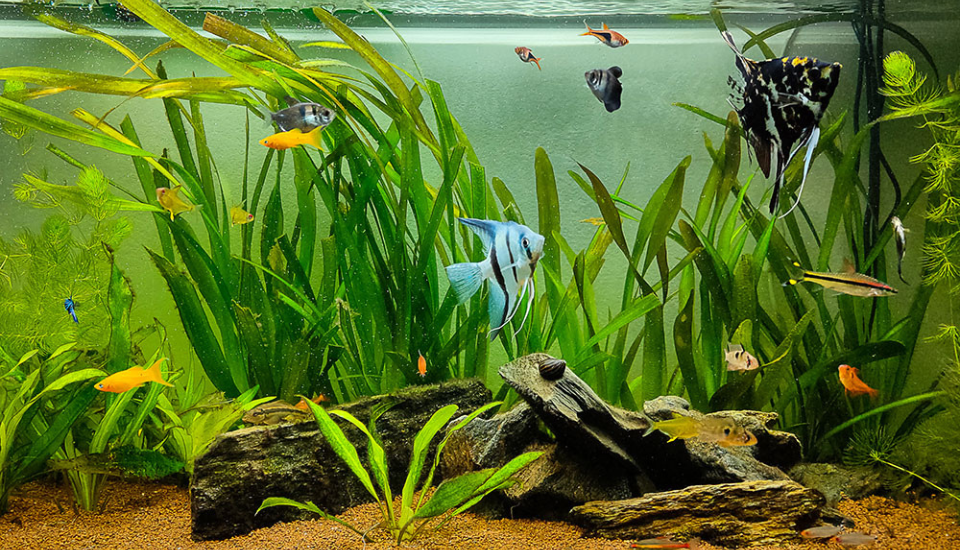
Aquascaping: The Art and Science of Aquariums The natural world is widely used as a source of inspiration for countless works of art. Some of the world’s most well-known artworks illustrate nature to convey the artist’s message. Art can manifest itself in a variety of forms, some more conventional than others. One form that is not commonly thought of are aquariums. Although not all aquariums can be considered art, many styles of aquariums utilize natural elements from the real world. These aquatic landscapes can mimic the coral reefs of tropical oceans or underwater freshwater jungles. The practice of creating realistic nature aquariums is known as aquascaping. Not only does aquascaping utilize nature and artistic composition but also science, biology, and water chemistry. This profound relationship between nature, artistic design, and science mesh to form beautiful aquatic landscapes perfect for any home. What is an Aquarium? Aquariums are artificial aquatic habitats containing a variety of fish, plants, coral invertebrates, or other water-dwelling organisms that come in a variety of shapes, sizes, types, and styles. The two broad categories consist of freshwater and saltwater aquariums, the latter housing marine animals which often mimic ocean environments. Both freshwater and saltwater aquariums also have subcategories based on the types of livestock that are kept. The more artistic types of aquariums utilize natural elements to create an aquatic landscape. Lacking artificial decor, these nature aquariums look to our environment for sources of inspiration. Whether that be an underwater Amazonian jungle, ornate Japanese “Iwagumi style” rock formations, or a tropical coral reef, owning a living work of art in your home has never been easier or more exciting. Aquascaping Aquascaping is the practice of creating a natural aquatic landscape in your aquarium. It’s commonly associated with freshwater live planted aquariums, however saltwater reef aquariums also utilize this practice. Reef aquariums use rock to create structures in which live coral is attached or placed. The placement of many corals is crucial for most species. This is because different types of coral have different requirements in terms of flow, light intensity, or proximity to other coral. Corals requiring higher light are often placed in elevated positions, which coral species require lower lighting are often placed further down in the aquarium closer to the bottom. Similarly, certain corals require specific amounts of water flow or current. Corals that require more flow are placed closer to pump outputs, powerheads, or wavemakers. Oppositely, corals requiring less flow are placed further away from current sources, and can be sheltered by rocks. In freshwater, live aquatic plants are often the focus of these aquariums but natural elements, such as rocks or driftwood, are used to create a hardscape. Many distinct styles of freshwater aquascapes exist, such as the heavily planted Dutch style aquascape or Japanese-inspired nature displays. Some freshwater aquascapes have no plants and solely utilize decorative driftwood, stones, or other hardscaping materials. Not only do various aquascapes provide living artwork to your home, they also provide a more realistic habitat for your fish which can reduce stress. In reef aquariums, there are numerous species of fish which require a reef tank environment in order to properly thrive. Many species of fish and other aquarium species prefer places to hide or burrow. The aquascape of a reef or planted aquarium becomes pivotal in providing certain species of aquaria inhabitants with specific housing requirements. Recreating a natural habitat in your home aquarium can be both an educational and a stunning addition to your home. Planted Tanks Planted tanks or planted aquariums are one of the most popular types of home aquascapes. This type of aquarium houses freshwater species of fish with an emphasis on full aquatic live plants. These plants grow throughout the aquarium gravel to create a living ecosystem arranged in stunning displays. Plants are pruned and placed to achieve a desired look. When creating a planted aquarium, adding the substrate is the first step. Often fertilized gravel, sands, or other media are used as a base for plants to spread their roots. These substrate medias are often layered and can change based on the types of aquarium plants or desired look. Then the hardscape is often laid down next, utilizing driftwood, rocks, or other natural materials to create a realistic display. Depending on the style of your planted aquarium, the hardscape may play a more impactful role in the overall design. Specific plants are chosen based on lighting requirements and arranged in the aquarium depending on their height or growth pattern. Short plants that tend to spread are often placed upfront in the foreground, while taller plants usually reside in the background. This not only allows for maximum viewing of all plants, but creates depth, resulting in a more realistic appearance. Reef Aquariums Saltwater aquariums are generally separated in two categories: reef aquariums and fish-only tanks. Reef aquariums can house various species of live coral, fish, crabs, shrimp, other invertebrates, and live rock arranged in a mini ecosystem, with the emphasis being on coral. Fish-only saltwater aquariums don’t include live coral and can contain species of fish deemed not “reef safe.” The term reef safe is used to describe fish that are not compatible with coral or invertebrates commonly found in aquariums. Many species of marine fish will eat decorative coral, smaller reef safe fish, beneficial crabs, or snails which can consume nuisance algae. Because of this, these fish are deemed incompatible and unsafe to house in a reef tank. Fish that are reef safe will not harm coral, crabs, snails, shrimp, or other organisms which can be beneficial for a successful reef tank. In a coral reef aquascape rock is usually stacked to create height and real estate for coral. Aquarium safe putty, dowles, super glue, or other adhesives are used to secure rock formations and attach coral. Making sure corals are secured is important for healthy growth. Many fish or invertebrates will move coral, which might cause it to fall and potentially hurt the frag or colony. Placement of
The Significance of Pool and Spa Water Testing In swimming pool treatment, disinfection or sanitising is essential to rid the pool of bacteria and control nuisance organisms like algae which may occur in the pool, filtration equipment, and piping. There are a number of available disinfectant compounds, including chlorine, bromine and ozone dosing systems, of which chlorine is the most common. Chlorine Chlorine is a strong oxidising agent that destroys organic pollutants and bacteria. Chlorine combines with compounds containing nitrogen to form chloramines, during which only part of the chlorine will be used while the rest remains active, continuing it ’s disinfecting action. Combined chlorine is the quantity of chlorine that has already combined with nitrogen containing compounds. It is much less effective as a disinfectant than free chlorine. The addition of combined chlorine and free chlorine gives total chlorine. A pool manager needs to aim for the perfect balance where free and total chlorine are proportionally equal, and thus to keep the combined chlorine levels near zero. The presence of chloramines is undesirable because of the distinctive ‘swimming pool smell’ as well as irritation to the eyes and mucous membranes caused by combined chlorines like dichloramines. Commercial chlorine for disinfection may be available as a gas (Cl ), a liquid like sodium hypochlorite or bleach (NaOCl) or in a solid state like calcium hypochlorite, chlorohydantoins or chlorocyanuric acid compounds. These compounds, once dissolved in water, establish equilibrium between the hypochlorous acid (HOCl) and the hypochlorite ions (OCl¯). Although both forms are considered free chlorine, it is the hypochlorous acid that provides the strongest disinfecting and oxidising characteristics of chlorine solutions. The amount of hypochlorous acid in chlorinated water depends upon the pH value of the solution. Changes in pH value will affect the HOCl equilibrium in relation to the hydrogen and hypochlorite ions. As depicted in the graph, HOCl decreases and OCl¯ increases as pH increases. At a low pH, almost all the free chlorine is in the molecular form HOCl, and at a pH of around 7.5, the ratio between HOCl and OCl¯ is 50:50. Since the ionic form OCl¯ is a slow acting sanitizer while the molecular HOCl is a fast acting, it is important to measure pH regularly. As a general rule a pH of about 7.2 is recommended to maintain fast acting disinfection conditions. Ideal chlorine concentrations vary depending on the conditions in the pool or spa. Chlorine will break down when exposed to UV light. To stabilise chlorine in the presence of UV light, cyanuric acid may be added to outdoor pools. However, high cyanuric acid levels can also lower the sanitation power of chlorine. Bromine In many countries bromine sanitising has been introduced as an alternative to chlorine, although it is not as strong. The advantage of bromine lies in its stability at higher temperatures (advantageous for heated pools and hot tubs), and its maintained disinfection power at a higher pH. Furthermore, there is a very little reaction between bromine and nitrogen compounds, reducing the unpleasant odour, and eye irritation problems. The main disadvantage of bromine is the slower acting disinfecting power, making it less suitable for larger pools. Ozone Ozone is a very strong oxidising agent that destroys organic compounds that are especially difficult to oxidise. It allows the pool manager to very efficiently remove combined chlorine without frequently refreshing large amounts of pool water. By the time the water passes through the filter units, ozone has already completed sanitising, and it is not affected by the pH level. Mainly because of its strong oxidising power, the return water may contain trace concentrations of ozone. It imperative to know that ozone is very unstable, so to ensure thorough sanitization of the water, low-level chlorination remains necessary. Calcium The presence of calcium in the system is desired to ensure filming on those places where the temperature is relatively high, like in boilers and pipes transporting warm water. Scaling must be avoided because it reduces heat transfer and pump capacity, and causes cloudiness in the water. It is recommended to maintain the calcium hardness value within the range from 200 to 400 ppm as calcium carbonate (CaCO₃). Alkalinity Alkalinity is the measure of the total concentration of alkaline substances, mostly bicarbonates, dissolved in the water. The higher the alkalinity, the more resistant the water is to pH change. At the same time, high alkaline water is a major contributor to scaling problems like incrustation in filtration equipment, pumps, and piping. It is recommended to maintain the alkalinity value within the range from 80 to 125 ppm as calcium carbonate (CaCO₃). The pH of the water is an important factor since at lower pH levels the corrosion rate increases. If the alkalinity values are sufficiently high, it will not be difficult to control the pH. Most pool managers prefer to keep the pH between 7.2 and 7.4 to best maintain low corrosion rates and a sufficient activity of chlorine. Temperature Microorganisms grow more rapidly at higher temperatures, so the required sanitisation level for a swimming pool or spa is highly dependent on the water temperature; this is especially concerning for heated pools and spas. A general rule of thumb is that for every 5.5°C increase in water temperature over 27°C, the concentration of required sanitizer is doubled. ORP (Redox) While free chlorine is a measure of the quantity of available chlorine present in pool and spa water, other water properties may affect the ability of that chlorine to properly disinfect. A sufficient concentration of free chlorine may be present in solution, but based on certain properties it may not be effectively sanitising. Oxidation-reduction potential (ORP) directly measures how strong the oxidising potential in a solution is, thus determining the sanitation effectiveness. Two pools with the same free chlorine concentration may have completely different ORP values based on pH, cyanuric acid concentration, and temperature. Therefore, ORP is the best indication of how effectively the pool or spa water is being sanitised. While optimal concentration levels vary based on the type of sanitizer

Using the Backpack Lab™ Water Quality Test Kit in Education Why is it important to monitor the quality of freshwater sources? In Australia, we rely on freshwater sources in many aspects of our lives, including fishing, agriculture, and recreational purposes. Not only is water quality fundamental to humans, it can also affect animals and the environment around us. There are many factors that can have an impact on water quality, such as weather, pollution, and other human activities. As such, it is essential that the water quality of freshwater sources is closely monitored and the impact that humans have on the results is well understood. What parameters are indicators of water quality? There are several key parameters for monitoring water quality including, including conductivity, turbidity, dissolved oxygen, phosphate, acidity, alkalinity, carbon dioxide, hardness, and nitrate. Each of these parameters must be maintained within a certain range to support plant growth and the metabolic reactions in the animals that live in and drink the water. For example, most freshwater organisms thrive in a pH between 6 and 8, therefore it is important to maintain the pH within this range. Conversely, turbidity levels must be kept low in order to allow plants to grow, which provides a food source to the animals. A similar principle applies to all water quality parameters, which is why the water needs to be closely monitored, which can be done through scientific testing. Application: A technical consultant from Hanna Instruments visited a Laboratory Technician at a local secondary school. The school had just started running an environmental science subject for the year 10 students, however, they were unsure what practical classes they could run to give the students hands-on experience. The school was located around the corner from a local reserve that backed onto a flowing creek. The technical consultant suggested the Backpack Lab Water Quality Test Kit (HI3817BP). The Water Quality Backpack Lab contained all of the test kits and instrumentation required to test ten of the most important water quality parameters. Included in the Backpack were several test kits, including acidity, alkalinity, carbon dioxide, dissolved oxygen, hardness, nitrate, and phosphate. The backpack also included a HI98129 Combo Tester for measuring pH, conductivity, and total dissolved solids (TDS) as well as a Secchi Disk which allows turbidity to be tested. Because of all the parameters that could be tested with the HI3817BP, it meant that the whole class could be conducting experiments simultaneously, with no waiting around for equipment. The Laboratory Technician was most appreciative of the fact that all of the replacement reagents and solutions were available for each parameter, so there is no need to replace the whole kit when they ran out. The Water Quality Backpack Lab was also supplied with comprehensive educational material. This included lesson plans, detailed field-testing procedures as well as a teacher’s manual that provided information on each parameter being tested. This was very helpful to the school which was still in the process of organising the content for the subject. Related posts The Ultimate Guide to Pool Water Testing The Ultimate Guide to Pool Water Testing Discover the key pool water parameters every pool owner should test for. One… Read more Benefits of Portable Multiparameter Devices for Water Quality Testing and Their Environmental Impact Benefits of Portable Multiparameter Devices for Water Quality Testing and Their Environmental Impact Water quality is a critical aspect of… Read more The role of free chlorine in keeping drinking water safe The role of free chlorine in keeping drinking water safe Clean drinking water is essential to human urvival. To make… Read more Subscribe to our newsletter
Using the Hanna Backpack Lab Soil Quality Educational Test Kit in Teaching Environmental Science The importance of soil in our ecosystem The word Soil has many definitions. By traditional definition, soil is the natural growing medium for the growth and development of plants. Soil is the thin outer layer covering the land surface area of the earth, which consists of layers, also known as soil horizons. Soil is the end product of the combined influence of climate, organisms, and topography on rocks and minerals (parent material) over time. Soils are a vital component of the ecosystem, serving a number of roles critical to the existence of human, flora and fauna such as: Climate regulation Nutrient cycling Habitat for organisms Flood regulation Source of pharmaceutical and genetic resources Foundation for human infrastructure and provision of construction materials Cultural Heritage Carbon sequestration Provision of food, fibre and fuel The primary macronutrients found in soil are Nitrogen (N), Phosphorus (P), and Potassium (K) and are collectively known as NPK. NPK, pH, electrical conductivity (EC), and total dissolved solids (TDS), comprise the soil chemical properties which are fundamental to plants. Having a good understanding of how these properties affect plant growth and soil quality will enable students to relate it to everyday life – from how crops are produced, to how changes in soil properties could affect climate and their community’s susceptibility to environmental phenomena such as soil acidification and flooding. Soil primary nutrients There are a total of 12 essential nutrients found in the soil (N, P, K, S, Mg, Ca, Fe, Mn, B, Zn, Mo, Cu), however, the three most important nutrients are Nitrogen (N), Phosphorus (P), and Potassium (K). Nitrogen is a key element in plant growth. Nitrogen is found in all plant cells, proteins, and hormones. Chlorophyll, which is vital for photosynthesis and gives the green colour to plants, contains nitrogen. Phosphorus aids in energy transfer from sunlight to plants. Moreover, it also stimulates root and plant growth, and speeds up maturity. Potassium helps synthesise and transport starches, sugars, and oils in plants. Potassium also helps in increasing vigour and resistance of plants against pathogens. The role of pH, EC, and TDS in the soil pH is the measure of acidity or alkalinity of the soil. Soil pH affects nutrient and water availability as toxicity – both of which are critical to plant growth. The ideal range of soil pH for most plants is between 5.2 to 8.0. Electrical conductivity (EC) refers to the ability of a medium to conduct or transmit an electrical current in a system. Soil EC affects osmotic pressure and water uptake in plants. Furthermore, EC is associated with other important soil properties such as organic material content, texture, salinity and temperature, among others. Total dissolved solids (TDS) is the measure of the combined content of all inorganic and organic substances, expressed in parts-per-million (ppm). Application A secondary school was preparing for an excursion in earth and environmental sciences for their year 11 and 12 students. The Science Coordinator was looking for a user-friendly, portable pH device and test kits to measure primary soil nutrients such as nitrogen, phosphorus, and potassium, to let the students perform soil tests by themselves. The technical consultant from Hanna Instruments presented the HI3896BP Backpack Lab Soil Quality Educational Test Kit. Designed for educational purposes, the Soil Quality Backpack Lab contains the essentials to get the year 11 and 12 students field-ready for soil testing: a multiparamter (pH/EC/TDS/temperature) tester, digital thermometer, agriculture test kit pro for nitrogen, phosphorus, potassium, and pH, as well as pH, EC, and TDS calibration standards to ensure accurate results. The Science Coordinator appreciated that apart from having a complete kit for performing tests, the Soil Quality Backpack Lab also included laboratory instruction cards, step-by-step field procedures, worksheets, and a teacher’s manual with a curriculum that meets National Science Teachers Association standards. The Backpack Lab also included a CD containing reproducible lab activity worksheets, as well as the summary of parameters, which the Science Coordinator found to be handy for the next teaching terms. Related posts How to Test Soil Electrical Conductivity (EC) Using Hanna Soil Testers How to Test Soil Electrical Conductivity (EC) Using Hanna Soil Testers Soil electrical conductivity (EC) is a critical measurement for… Read more Growing in Spring: Data vs. Tradition with a Focus on Soil Testing Growing in Spring: Data vs. Tradition with a Focus on Soil Testing As technology advances, the world of agriculture is… Read more How to Test pH in Soil: The Complete Guide How to Test pH in Soil: The Complete Guide Ever wonder what else you can do to help your plants… Read more Subscribe to our newsletter
How to Test Electrical Conductivity (EC) in Soil: The Complete Guide Plants need plenty of sun, air, water, and nutrients to grow. But how can you make sure your plants have enough nutrients? Measuring different aspects of soil can tell you exactly what you need and what you are missing, and help you to foster strong and healthy plants. Testing the pH, moisture content, and temperature of your soil are a good start for healthy soil. Monitoring phosphates, nitrates, calcium, and potassium are all primary components to plant growth. Other minor nutrients are needed as well. One way to help keep track of all these nutrients is by testing the electrical conductivity of your soil. Electrical conductivity can tell you if you need more nutrients, or if you have too much. This will save you time and money when managing your plants. What is Electrical Conductivity? Electrical conductivity (EC) measures how well a substance can transmit an electrical current. Small charged particles, called ions, help to carry the electrical charge through a substance. These ions can be positively or negatively charged. The more ions available, the higher the conductivity; fewer ions would result in lower conductivity. EC is typically reported in milliSiemans per centimetre (mS/cm). Total Dissolved Solids (TDS) Total dissolved solids (TDS) is the amount of dissolved substances in solution. This measurement reads all the dissolved inorganic and organic substances in a liquid. Results from this reading are displayed as milligrams per litre (mg/L), parts per million (ppm), grams per litre (g/L), or parts per thousand (ppt). Measuring TDS is a long process. First, you extract all the water from a soil sample, then evaporate the water and weigh the remaining residue after evaporation. It’s much easier to measure the electrical conductivity of substance, and then convert the reading into TDS with a conversion factor. The trick here is to make sure you use the correct conversion factor! Something to keep in mind when choosing a conversion factor is that not all dissolved solids conduct electricity. For example, if you measured the conductivity of a glass of water and then add table salt, the conductivity will go up. But, if you took that same cup of water, measured the conductivity, and then added sugar, the conductivity would not be affected. This is because table salt breaks apart into charged ions when put into a solution. Sugar does dissolve, but it does not break apart into charged ions. However, if you were to measure the TDS of the two glasses of water they would be affected by the addition of either salt or sugar. Most common conversion factors between EC and TDS are 0.5 and 0.7. The 0.5 conversion factor is based on how EC and TDS relate to sodium chloride. The 0.7 conversion factor is based on how EC and TDS relate to a mixture of sodium sulphate, sodium bicarbonate, and sodium chloride. To use the conversion factor, simply multiply your EC reading by the conversion factor to calculate the TDS. Things That Affect Electrical Conductivity of Soil Many things can affect the electrical conductivity of your soil. The most common factors are temperature, soil type and its moisture level, salinity, irrigation and fertilizers, and the depth of the soil. Temperature Fluctuations The temperature of air, water, and soil will affect your electrical conductivity readings. Remember that EC of soil involves measuring the ions in the sample. These ions get very excited when the temperature gets warmer, so they bounce around and have greater activity. More activity means the ions are better able to conduct an electrical current. So, the conductivity of the soil increases. As temperatures cool down, ions calm down and move around less. Less activity means the ions have a harder time carrying electrical current. This decreases the conductivity of the soil. Soil Type and Moisture Levels The texture of the soil influences the amount of moisture that’s available. This affects the soil’s EC. Ions like to stick and bind to other particles (like the particles in soil). When they are all bound up, the ions can be harder to read. Moisture, or water, helps to free up the ions so they can be read. The texture of the soil also influences how much space there is for water to be in the soil. This is called porosity; different sizes of soil particles create different spaces for air and water. Sand does not hold onto moisture well, so it has a lower conductivity. Silty soil, similar in texture to the wet mud on a river bank, has a middling base conductivity. This type of soil is able to hold onto water relatively well. Soils rich in clay have a higher conductivity due to how well they are able to hold onto moisture, and ones with a middling conductivity tend to have the greatest crop yield. They are able to hold in just enough water, while at the same time draining away excess. Another property that relates to EC and soil texture is called cation exchange capacity (CEC). CEC relates to the amount of clay and organics in soil. Clay has higher electrical conductivity, so the higher the CEC, the higher the conductivity is. Irrigation and Fertilizers Usually, people only think of things such as the ocean as salty, but did you know soil can be salty too? These salts can be a problem if the electrical conductivity, or total dissolved solids, are too high. Salts are very conductive and will raise the EC of your soil. Water used to irrigate crops will directly affect the quality of the soil by either increasing or diluting available salts and nutrients. This, in turn, affects the electrical conductivity. Natural rains will dilute the amount of salt near the roots of plants. This helps to keep the plant from getting “burned” by excess salts and nutrients. This means that the plant’s roots are essentially clogged by the salts and nutrients. They become unable to take up salts, which can stunt its growth. If irrigation water has a high salt
How to Test pH in Soil: The Complete Guide Ever wonder what else you can do to help your plants thrive? Try testing the pH of your soil! Robust plants start from the ground up, and maintaining healthy soil is the first step towards a successful crop. This all-encompassing guide will help anyone who is just starting out with soil pH testing. (And experienced growers will be able to learn something, too!) In the first part, we cover everything from “What is pH?” to elements and events that affect your soil’s pH, and how to fix it. After that, we go over all the different soil testing methods and tools, so you will have all the information you need to choose the best soil testing plan for you and your crops. First, let’s go over the basics. What is Soil? Water, air, and soil are the largest groups of natural resources that humans use. Soil is the loose material on the surface of the Earth that allows plants to grow. Think of the Earth as an onion with layers. Soil is only the very thin (about 200cm) top layer of the onion. All plants are grown in that thin layer. No matter where you are on earth, soil has three main components: inorganic, organic, and microorganisms. The inorganic part of soil has minerals from rocks that have broken down over time. Plants use these minerals to help them grow. When thinking about soil, we tend to think of only these mineral components. Yet, the inorganic part of soil also contains liquids (water) and gases (air). The organic section of soil is the broken-down remains of plants, animals, and other living things. Microorganisms live in the soil and are usually too small to see with the naked human eye. They help to break down dead material into soil. Five main factors affect how soil is formed: climate, organisms, an area’s geology, topography, and finally, time. With all these variables, it’s no surprise that soil varies greatly not only from state to state but even within relatively small areas. What is pH? pH is a measurement of how acidic or how basic (alkaline) a substance is. When you test pH, you are measuring the number of hydrogen atoms that carry a positive charge. The higher the concentration of hydrogen ions, the more acidic your sample is. The lower the concentration of hydrogen ions, the more basic your sample is. Acidic substances fall between pH 0 and pH 7 on the pH scale. Basic substances fall between pH 7 and pH 14 on the pH scale. pH 7 is neutral; it is neither acidic nor basic. Common acidic substances include orange juice, soft drinks, and black coffee. Common basic items include gin, baking soda, and household cleaners. Pure water is completely neutral at pH 7. Why Test Soil pH? Correct soil pH is essential to ensure optimal plant growth and crop yield because it allows nutrients to be freely available for plants to take in. Testing the pH of your soil helps to determine what plants are best suited for that area. Sometimes soil needs supplements, like fertilisers and soil pH adjusters, for plants to be able to thrive. Measuring the pH can help you figure out what and how much you need. Things That Affect Soil pH Many things can affect the pH of your soil. The most common factors are climate and weather, other plants in the area, the pH of your irrigation water, soil type, the kind of fertiliser you use, and nutrient availability. Climate and Weather Temperature, precipitation, sunlight, and seasonal weather changes all influence soil pH. High precipitation, for example, will wash essential nutrients out of the soil. Many nutrients, such as calcium carbonates, are basic so as these nutrients leave the soil, it becomes more acidic. Water coming into contact with decaying material in the soil (like leaves, for example) can also cause the pH to drop because decaying matter releases carbon dioxide. When carbon dioxide mixes with water, acids can form. Drier climates or regions going through a drought will have a more alkaline soil pH. Because there isn’t as much water moving through the soil, minerals, and salts become concentrated, increasing the pH. Plants Native plants and local ecology can determine the starting pH of your soil. The soil underneath grasses is usually less acidic, while soils formed under trees tend to be more acidic. This is due to there being more decaying matter (leaves) near trees. The very crop you are growing can even alter your soil’s pH. Irrigation Water The water that you use to irrigate your crops will also influence the pH of your soil. If the water used is more acidic or more basic than the soil it is irrigating, the pH of the soil will shift. Soil Type Did the soil in your region form from granite, limestone, or shale? These parent materials will determine if your soil is more acidic or more basic. Areas with a lot of shale tend to be more acidic, while areas rich in limestone are more basic. The texture of your soil will also determine how easy or how difficult it is to adjust the pH; this is known as the soil’s buffering capacity. Sandy soils have a lower buffering capacity while soils with more clay will have a higher buffering capacity. It’s harder to change the pH of soils with higher buffering capacities. Fertiliser Fertilising soil is very important to get the best crop yields. Because pH will affect how easily available nutrients are to plants, it’s important to check soil pH before and after adding any type of fertiliser. By knowing your pH you can decide how much and what type of fertiliser you need. Artificial nitrogen fertilisers tend to lower pH the most in soils. Organic fertiliser will acidify the soil once they come in contact with water, because of the soluble organic acids they contain. Nutrient Availability Plants cannot absorb nutrients if the soil pH is too low or too high. When soil pH is off, nutrients such as calcium and phosphorus will bind up with other things in

The Complete Guide to Measuring Turbidity in Water Turbidity is one of the most common and intuitive qualities of water. The first thing we notice about water is how cloudy it is (or isn’t). However, behind the cloudiness lies some important implications. Turbidity can affect everything from how water is disinfected to the quality of our lakes, oceans, and streams. In this guide, we’ll walk through what turbidity is, reasons why it is measured, options for testing, and tips to get the most accurate results. What is Turbidity? In its simplest form, turbidity is just the cloudiness of water. Cloudiness typically comes from particles that are suspended in the water that we can’t see individually. These particles could be algae, dirt, minerals, proteins, oils, or even bacteria. Turbidity is an optical measurement that indicates the presence of suspended particles. It’s measured by shining light through a sample and quantifying the suspended particle concentration. The more particles that are in a solution, the higher the turbidity. It’s important to note that while turbidity correlates with suspended solids, measuring turbidity is not the same as measuring total suspended solids (TSS). TSS measurements are gravimetric, which quantifies the mass of the solids suspended in a sample, performed by weighing the separated solids. Turbidity is a benchmark water quality parameter across all environments, from the municipal drinking water facility to environmental monitoring. The primary goal of drinking water treatment is to remove and reduce turbidity. Throughout the treatment process, turbidity is measured at multiple stages to determine treatment efficiency and to ensure compliance with government regulations. Suspended matter (soil, algae, etc.) in water reduces the effectiveness of disinfecting chemicals and can act as carriers for bacteria and parasites. These suspended particles are indicated by water that appears slightly cloudy and has a high turbidity value. Even without turbidity reducing the effectiveness of chlorination, overall water clarity is an indicator of quality, reassuring the consumer of its safety. After all, nobody wants to drink cloudy water from the tap! Turbidity has wide-reaching importance in environmental monitoring, where the cloudiness of water can indicate pollution. For example, after storm events, the runoff from agriculture, logging, and construction sites can rapidly flood natural waters with sediment. This can disrupt aquatic life that dwells on the bottom of the water, which would require dredging to remediate. The impact of construction sites is so significant that construction sites are required to monitor turbidity after major storm events to ensure that they comply with their permits. Outside of drinking water, wastewater, and environmental use, measuring turbidity is useful in wineries or breweries, as well as other places across the food and beverage industry. How is Turbidity Measured? There are many methods to measure turbidity. As a measurement of how cloudy water is, we can use everything from visual methods to full-scale meters to quantify it. Some visual methods are ideal for quick field environmental use, such as the Secchi disk. This consists of a disk that is lowered into the water until it’s no longer visible. The depth at which the disk is not visible is the Secchi depth. This method is subjective and works best in slow-moving, low-turbidity natural waters. The best way to measure turbidity in a wide variety of samples is with a nephelometer, also known as a turbidity meter. Turbidity meters utilize light and photodetector to measure light scatter, and read out in units of turbidity, such as nephelometric turbidity units (NTU) or formazin turbidity units (FTU). How Do We Reduce Turbidity? Most efforts to reduce turbidity are directed at the prevention of runoff events. However, drinking water and wastewater plants treat raw water to reduce turbidity. Regulations are set in order to guarantee safe drinking water and process efficiency. One of the first steps in the drinking water treatment process is to remove suspended particles from the water. To achieve clarification, the water is mixed with a coagulant, such as alum. The soil and other particles have a negative charge and repel each other, resulting in dispersed fine particles. The addition of alum neutralizes the suspended material so that the particles gather together to make up larger particles, known as ‘floc.’ The water is then passed through a sedimentation basin, where filter media remove the floc. If the raw water is naturally less turbid (typically groundwater) then the sedimentation process may be shortened, saving time and money. After most of the dissolved particles are removed, the water is passed through a final filter that removes up to 99.5% of the remaining suspended solids. It is generally required (check your local regulations) that 95% of drinking water in a one-month period have a turbidity reading of less than 0.5 NTU, and that no samples exceed 5 NTU at any given time. Choosing a Turbidity Meter Turbidity meters are devices that have a light source, lens, and detector located 90° from the light source that works together to measure the turbidity of a sample. When a sample is placed into the path between the light source and detector, some of the particles in the sample scatter the light in such a way that it reaches the detector at 90°. The detector determines the amount of light scattering and compares the reading against standards on a calibration curve. Some meters incorporate another detector at 180° to account for transmitted light. This can help with samples that have high turbidity to correct for lost light due to attenuation and backscatter (reflection). Turbidity measurements at 90° and 180° are called the ratio method. Once you have your meter, taking turbidity measurements is easy and involves just a few simple steps: Calibrate the meter with standard cuvettes. Fill a cuvette with your sample. Clean the outside of the cuvette and if working with samples with very low turbidity, use silicone oil on the outside of the cuvette. Place the cuvette inside the meter and take your reading. Turbidity Standards The turbidity standards are an equally important portion of the measurement. Most modern turbidity